
Many older Australians rely on family members, carers, or support workers to help monitor their health and wellbeing. One area that is often overlooked, but plays a major role in comfort, mobility, balance, and independence, is foot health.
Feet go through significant changes as we age. Skin becomes thinner, circulation may reduce, nails can become difficult to manage, and conditions such as arthritis or diabetes may affect sensation and mobility. Because these changes often develop slowly, many people do not notice problems until discomfort or mobility issues begin affecting daily life.
Over many years working with older Australians across the Sunshine Coast, we have found that family members and carers are often the first people to notice changes in someone’s feet. Sometimes this may be something obvious such as swelling or a wound, but more often the signs are subtle. A person may begin walking differently, avoiding certain shoes, or becoming less active without fully understanding why.
Understanding what to look for can help identify potential issues early before they become more serious. In many cases, early intervention can help maintain mobility, prevent complications, and support long-term independence.
Why Foot Health Becomes More Important With Age
The feet carry the weight of the body every day and absorb significant pressure when walking, standing, and balancing. As people age, the structures within the feet naturally change over time. Fat padding beneath the feet may thin, joints can stiffen, muscles weaken, and circulation may reduce.
These changes can make older people more vulnerable to discomfort, pressure injuries, instability, and skin breakdown. Even relatively minor foot problems may begin affecting confidence, balance, and overall mobility.
Common age-related factors that increase foot health risks include:
• reduced circulation
• reduced nerve sensation
• arthritis and joint stiffness
• diabetes
• reduced flexibility
• difficulty reaching the feet safely
• thinner skin and slower healing
• changes in walking patterns
According to the Australian Commission on Safety and Quality in Health Care, maintaining mobility and independence is an important component of healthy ageing. Foot health plays a significant role in this because pain or instability in the feet can quickly affect a person’s ability to move confidently and safely.
Many older adults also continue living independently well into later life. Maintaining comfortable, functional feet often allows people to continue activities such as shopping, socialising, gardening, exercising, and attending appointments independently.
Why Some Older People Do Not Notice Foot Problems
One reason foot issues are sometimes discovered late is because many older people do not feel the early warning signs themselves. Reduced nerve sensation can make it difficult to notice pain, pressure, heat, rubbing, or injury.
This commonly occurs in people living with diabetes or peripheral neuropathy. According to the Mayo Clinic overview of peripheral neuropathy, nerve damage may reduce sensation in the feet and increase the risk of unnoticed injuries or ulcers.
Reduced flexibility also makes it difficult for some people to inspect the bottoms of their feet or trim their own toenails safely. Arthritis, reduced eyesight, balance concerns, or cognitive decline can further contribute to problems going unnoticed.
Sometimes the first sign is not visible on the foot itself. A family member may instead notice that someone has become less active, walks more cautiously, or complains about footwear becoming uncomfortable.
This is why carers, support workers, and family members often play an important role in early detection and preventative care.
What Carers and Family Members Should Look For
You do not need clinical training to notice changes in someone’s feet. In many situations, simply becoming familiar with what looks normal for that person allows changes to become easier to identify over time.
Small observations made consistently can help detect problems before they begin affecting mobility or overall health.
Changes in Skin Colour
Changes in skin colour can sometimes indicate circulation changes, pressure, irritation, or inflammation. Areas of redness may suggest excessive pressure from footwear or abnormal walking patterns. Pale or bluish skin can occasionally indicate circulation concerns.
Darker patches, particularly on pressure points, should also be monitored carefully. In people with reduced sensation, pressure damage can sometimes develop gradually without causing pain.
Persistent redness that does not disappear after removing footwear may be worth assessing professionally.
Swelling in the Feet or Ankles
Swelling is relatively common in older adults and may occur for many reasons. Long periods of sitting, circulation changes, medications, arthritis, or medical conditions can all contribute to swelling in the lower limbs.
However, sudden swelling, asymmetrical swelling, or swelling associated with pain, warmth, or skin changes should never be ignored.
Swelling may also affect footwear fit. Shoes that once fitted comfortably may begin causing pressure areas or rubbing when swelling develops.
Cuts, Cracks or Wounds
Small wounds on the feet can become more serious if they heal slowly or are not noticed early. Cracks in dry heels, small cuts, blisters, or rubbing from footwear may all increase the risk of infection.
This is especially important for people living with diabetes or vascular disease. According to the NHS diabetic foot problems guide, reduced circulation and nerve sensation increase the risk of ulcers and delayed healing.
Any wound that does not appear to improve within a reasonable timeframe should be professionally assessed.
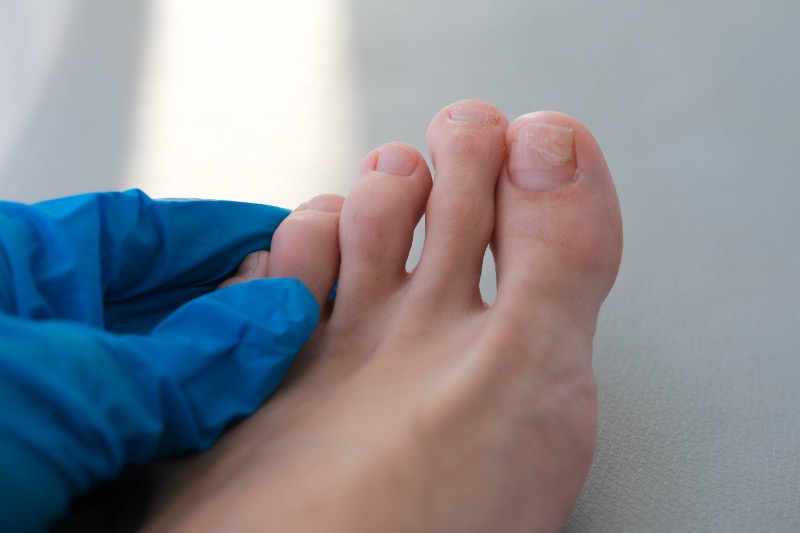
Thickened or Discoloured Toenails
Toenails often become thicker and harder to manage with age. Some nails may become curved, brittle, discoloured, or painful inside footwear.
This may occur due to fungal nail changes, repeated trauma, reduced circulation, or nail thickening associated with ageing.
Family members sometimes notice that someone has stopped trimming their nails because they physically cannot reach their feet safely anymore. In other situations, people may continue attempting nail care despite poor eyesight or balance issues, increasing the risk of accidental injury.
Hard Skin and Callus
Callus forms where pressure repeatedly occurs during walking. While some callus is common, excessive build-up can indicate abnormal pressure distribution or footwear problems.
Thick callus may become painful and, in some cases, hide underlying skin breakdown beneath the surface. This is particularly important for people with diabetes who may not feel increasing pressure developing underneath hardened skin.
Common areas for callus include:
• the heels
• the ball of the foot
• beneath prominent joints
• the sides of toes
• around bunions
Changes in Walking Patterns
Changes in mobility are often one of the earliest signs that something may be wrong with the feet.
Family members may notice:
• limping
• slower walking
• shuffling
• holding onto furniture
• reluctance to walk longer distances
• avoiding stairs
• reduced activity levels
Sometimes people subconsciously alter the way they walk to avoid pain. Over time, this compensation may affect balance, knees, hips, or lower back comfort as well.
Reduced confidence walking can also increase falls risk in older adults.
Complaints About Footwear
Footwear complaints are often overlooked but can provide valuable clues about underlying foot problems.
Someone may suddenly stop wearing shoes they previously liked because they now feel tight, unstable, or uncomfortable. This can indicate swelling, pressure areas, nail changes, or evolving foot deformities such as bunions or hammertoes.
Older adults also commonly continue wearing worn-out footwear long after support and cushioning have deteriorated.
Why Footwear Matters for Older Australians
Footwear plays a major role in comfort, mobility, stability, and skin protection. Poorly fitting shoes may contribute to pain, pressure injuries, instability, and falls risk.
Supportive footwear should:
• fit comfortably without pressure
• provide stability and grip
• have adequate depth and width
• minimise rubbing
• support natural walking patterns
• securely fasten where possible
According to the Better Health Channel footwear guide, poorly fitting shoes can contribute to corns, callus, joint pain, and walking difficulties.
Older adults often prioritise convenience or familiarity over proper support. Slippers, loose shoes, or heavily worn footwear may feel comfortable initially but can increase instability and falls risk over time.
Carers can help by regularly checking footwear condition and ensuring shoes continue fitting appropriately.
Common Foot Conditions Seen in Older People
Several foot conditions become more common with age and are frequently identified during podiatry assessments.
Arthritis
Arthritis commonly affects the joints of the feet and toes. Stiffness, swelling, reduced mobility, and pain may gradually affect walking and balance.
People with arthritis often alter their walking patterns subconsciously, which may create pressure areas elsewhere in the feet.
Bunions and Toe Deformities
Bunions and hammertoes often progress gradually over time. These changes may make footwear fitting increasingly difficult and can create pressure areas between toes or along prominent joints.
In some cases, deformities may also contribute to instability when walking.
Fungal Nail Infections
Fungal nail infections are common in older adults and may cause thickened, yellow, brittle, or crumbly nails.
While fungal nails are not always painful, severe thickening can create discomfort inside footwear and increase pressure on surrounding skin.
Corns and Callus
Pressure-related skin thickening commonly develops where abnormal friction or pressure occurs repeatedly.
Without management, these areas may become painful and occasionally contribute to skin breakdown.
Diabetes-Related Foot Problems
People living with diabetes may experience reduced sensation, circulation changes, and slower healing. This increases the risk of ulcers and infection.
According to Diabetes Australia, regular foot checks are considered an important part of diabetes management.
What Happens if Foot Problems Are Left Untreated?
Many foot problems begin relatively small but gradually worsen over time if ignored.
A small pressure area may eventually break down into a wound. Thickened nails can become painful inside footwear. Reduced mobility caused by discomfort may lead to muscle weakness, instability, and declining confidence walking.
Untreated foot pain may also contribute to:
• falls risk
• reduced activity levels
• social isolation
• balance problems
• loss of independence
• reduced quality of life
In people with diabetes or circulation issues, untreated wounds may become significantly more serious if infection develops or healing becomes delayed.
Early intervention is often far simpler than treating advanced complications later.
How Podiatrists Assess Foot Health in Older Adults
Podiatrists assess far more than just toenails or skin concerns. A comprehensive assessment looks at the overall function and health of the feet and lower limbs.
A podiatry assessment may include:
• circulation testing
• nerve sensation assessment
• skin and nail evaluation
• pressure analysis
• mobility assessment
• footwear assessment
• walking pattern evaluation
Podiatrists also consider broader health factors such as arthritis, diabetes, medications, falls risk, and mobility goals.
For older adults receiving aged care or Support at Home services, maintaining mobility and preventing complications are often important parts of the treatment approach.
Treatment Options for Foot Problems in Older Adults
Treatment depends on the specific issue identified during assessment. In many situations, relatively simple interventions can significantly improve comfort and mobility.
Treatment options may include:
Routine Foot Care
This may involve nail care, management of thickened nails, reduction of painful callus, and monitoring of skin health.
Footwear Advice
Improving footwear fit and support can often reduce pressure, improve balance, and increase walking comfort.
Pressure Offloading
Padding, footwear modifications, or orthotic devices may help redistribute pressure away from painful areas.
Diabetes Foot Monitoring
People with diabetes may benefit from ongoing foot assessments to help identify early changes before complications develop.
Mobility and Balance Support
Podiatrists may identify walking or balance changes that contribute to instability or discomfort. Addressing these issues early can support safer mobility.
Can Foot Problems Be Prevented?
Not all foot problems can be prevented entirely, but regular monitoring and preventative care can significantly reduce complications.
Helpful preventative strategies include:
• checking feet regularly
• wearing supportive footwear
• avoiding walking barefoot outdoors
• moisturising dry skin
• addressing footwear rubbing early
• seeking assessment for ongoing pain
• attending regular podiatry reviews when appropriate
Families and carers often play an important role in helping older adults maintain these routines consistently.
When Should You See a Podiatrist for Foot Problems on the Sunshine Coast?
Older adults should seek professional advice if they develop persistent foot pain, wounds, swelling, balance concerns, changes in walking patterns, or difficulty managing nail care safely.
A podiatry assessment involves reviewing circulation, nerve sensation, skin health, nail condition, mobility, and footwear. The goal is not simply to treat isolated symptoms but to understand what may be contributing to the problem overall.
For many older Australians, early intervention helps maintain confidence walking and reduces the risk of complications developing later. This is particularly important for people living with diabetes, arthritis, peripheral neuropathy, or circulation issues.
On the Sunshine Coast, podiatry services may be available both in clinic and through mobile podiatry visits for people who have difficulty attending appointments independently. Mobile podiatry can be especially helpful for older adults receiving aged care or Support at Home services.
Supporting Independence Through Healthy Feet
Foot health is closely connected to independence, mobility, and quality of life. Comfortable walking allows people to continue participating in everyday activities and maintain social engagement.
When mobility declines due to foot discomfort, people often gradually reduce activity levels without fully recognising the impact this has on strength, balance, and confidence.
Preventative foot care aims to support long-term mobility rather than simply reacting once problems become severe. Families, carers, healthcare providers, and podiatrists all contribute to this process.
Simply noticing small changes early and seeking advice when needed can make a significant difference to long-term wellbeing.
Frequently Asked Questions
How often should older people have their feet checked?
This depends on their overall health, mobility, and medical conditions. People with diabetes, circulation issues, reduced sensation, or previous foot problems may require more regular monitoring. For others, periodic observation by family members and routine podiatry care may be sufficient.
Many podiatrists recommend regular professional reviews for older adults who struggle to manage their own foot care safely or who have ongoing mobility concerns.
What are the warning signs of poor circulation in the feet?
Signs of circulation problems may include cold feet, shiny skin, colour changes, slow healing wounds, reduced hair growth, or pain when walking. Some people may also develop swelling or cramping.
Circulation concerns should always be professionally assessed, particularly if wounds or skin changes are present.
Why do older people develop thick toenails?
Toenails often thicken with age due to reduced circulation, repeated pressure, fungal changes, or trauma over many years. Thickened nails may become difficult to cut safely and can cause pressure inside footwear.
Professional nail care may help reduce discomfort and prevent complications.
Can foot pain increase falls risk?
Yes. Foot pain can significantly affect walking patterns, balance, and confidence. People may begin walking more cautiously, shuffling, or avoiding activity altogether.
Poor footwear, reduced sensation, arthritis, and painful pressure areas may all contribute to instability and falls risk in older adults.
Is it safe for older people to cut their own toenails?
This depends on their flexibility, eyesight, circulation, and sensation. For some people, self-care remains safe and manageable. For others, reduced mobility or medical conditions may increase the risk of accidental injury.
People with diabetes or poor circulation should be particularly cautious when performing nail care themselves.
What footwear is best for older adults?
Supportive, well-fitting footwear with good grip and stability is generally recommended. Shoes should fit comfortably without pressure while securely supporting the foot.
Loose slippers, worn-out shoes, or footwear lacking grip may increase instability and falls risk.
When should a wound on the foot be assessed urgently?
Any wound that appears infected, is worsening, or is not healing properly should be assessed promptly. This is especially important for people with diabetes, reduced circulation, or nerve damage.
Signs requiring urgent assessment may include redness, swelling, discharge, increasing pain, or warmth around the area.