
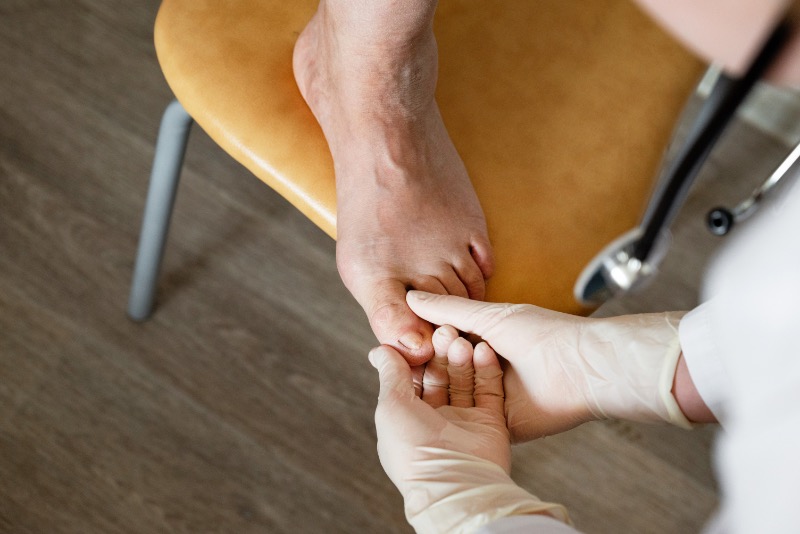
Many older Australians rely on carers or family members to support their day-to-day wellbeing. While carers often assist with meals, medications, appointments, and mobility, another area where they can make a very important difference is monitoring foot health.
Over many years working with older Australians across the Sunshine Coast, we have found that carers are often the first people to notice small changes in the feet. Sometimes during appointments a carer might say:
“I noticed their feet were looking a bit red, but I wasn’t sure if it was something to worry about.”
These kinds of observations are extremely valuable because many foot problems develop gradually over time. Small changes are often easier to manage when identified early, before they begin affecting comfort, balance, mobility, or independence.
For many older adults, changes in foot health happen slowly and may not cause immediate pain. Some people also have reduced sensation in their feet and may not notice problems developing themselves. This is one reason carers and family members play such an important role in preventative foot care.
Why Foot Health Matters in Older Adults
Healthy feet are essential for maintaining mobility, balance, comfort, and independence. The feet support the body’s weight every day and absorb significant pressure during walking and standing.
As people age, natural changes occur within the feet and lower limbs. Skin may become thinner and more fragile, circulation may reduce, joints may stiffen, and nails often become thicker or harder to manage. These changes can increase the risk of pressure injuries, discomfort, instability, and reduced mobility.
Even relatively small foot problems can sometimes affect daily life significantly. Painful feet may cause someone to reduce their activity levels, become less confident walking, or avoid social outings and exercise altogether.
According to the Australian Commission on Safety and Quality in Health Care, maintaining mobility and independence is an important part of healthy ageing. Foot health contributes directly to this because comfortable movement allows people to remain active and engaged in everyday life.
Why Foot Care Can Become Difficult With Age
As people get older, caring for their own feet often becomes more challenging. Many older adults who previously managed their own nail care and skin care independently eventually reach a point where this is no longer easy or safe.
In our experience, the most common reasons include:
• reduced flexibility when bending down
• arthritis affecting the hips, knees, hands or back
• reduced balance or fear of falling
• reduced vision
• thickened nails that are difficult to manage
• obesity or reduced mobility
• weakness in the hands or wrists
Patients frequently tell us:
“I used to do everything myself, but I just can’t reach my feet anymore.”
When this occurs, small issues such as thickened nails, pressure areas, dry skin, or callus may slowly develop over time.
Some people continue attempting foot care despite poor balance or reduced eyesight, which may increase the risk of accidental injury. Others may avoid checking their feet altogether because it has become physically difficult.
This is where carers and family members often become an important extra set of eyes.
Why Some Older Adults Do Not Notice Foot Problems
Another reason carers play such an important role is because many older adults may not feel early warning signs in their feet.
Reduced nerve sensation is common in conditions such as diabetes and peripheral neuropathy. According to the Mayo Clinic peripheral neuropathy guide, nerve damage may reduce the ability to feel pain, pressure, heat, or injury in the feet.
This means someone may not notice:
• rubbing from footwear
• pressure areas
• small wounds
• blisters
• changes in skin temperature
• developing ulcers
Some people may also avoid mentioning discomfort because they do not want to feel like they are “bothering” family members or carers.
As a result, changes in mobility or behaviour are sometimes the first noticeable sign that something is wrong.
What Carers Can Safely Do
Carers do not need clinical training to help support foot health. In most cases, the most valuable role carers can play is regular observation and reporting changes early.
Simply becoming familiar with what looks normal for that person often makes it easier to identify changes over time.
Things carers can safely monitor include:
• redness or swelling
• changes in skin colour
• dry or cracked skin
• wounds or blisters
• thickened or discoloured nails
• areas of hard skin or pressure
• changes in walking patterns
• signs of discomfort when moving
If something appears different from normal, it is helpful to mention it to a podiatrist or healthcare professional.
Early intervention is often much easier than waiting until problems become painful or begin affecting mobility.
Redness and Swelling Should Not Be Ignored
Redness and swelling are two of the most common things carers notice first.
Persistent redness may indicate pressure from footwear, friction, inflammation, or changes in walking mechanics. In people with reduced sensation, pressure damage can sometimes develop without causing pain initially.
Swelling in the feet or ankles may occur for many reasons, including circulation changes, arthritis, medications, prolonged sitting, or medical conditions affecting the lower limbs.
Sudden swelling, warmth, or redness associated with pain should always be assessed promptly.
Even mild swelling may alter the way footwear fits and increase pressure on the skin.
Monitoring Skin Health
Skin health becomes increasingly important as we age because older skin is generally thinner and more fragile.
Dry skin around the heels or toes may gradually crack, creating potential entry points for infection. Small wounds or blisters may also heal more slowly in older adults, particularly if circulation is reduced.
According to the NHS diabetic foot problems guide, people with diabetes are at greater risk of ulcers and delayed healing due to changes in circulation and nerve sensation.
Carers should monitor for:
• cracks in the heels
• wounds or ulcers
• bleeding
• blistering
• shiny or fragile skin
• changes in colour or temperature
Any wound that is not healing properly should be professionally assessed.
Thickened Nails Can Affect Comfort and Mobility
Thickened toenails are extremely common in older adults and often become progressively harder to manage over time.
Nails may thicken due to ageing, fungal infections, pressure from footwear, reduced circulation, or repeated trauma over many years.
As nails become thicker, they may begin causing pressure inside shoes or rubbing against neighbouring toes. Some people alter the way they walk to avoid discomfort, which may eventually affect balance and mobility.
Carers are often the first people to notice nails becoming:
• unusually thick
• yellow or discoloured
• brittle or crumbly
• curved
• painful in footwear
These changes are worth mentioning during podiatry appointments because nail problems can sometimes contribute to broader mobility issues.
Nail Care Should Be Performed by a Podiatrist
One important point we regularly explain is that nail cutting or filing should ideally be performed by a podiatrist for many older adults, particularly those with medical conditions affecting the feet.
While nail trimming may appear simple, even small injuries around the nail can create complications in vulnerable patients.
Many of the people we see have conditions such as:
• diabetes
• reduced circulation
• peripheral neuropathy
• rheumatoid arthritis
• fragile skin
• reduced healing capacity
• medications such as blood thinners
In these situations, accidentally cutting the skin or creating trauma around the nail may increase the risk of infection or delayed healing.
For this reason, carers and family members are generally advised not to cut or file toenails themselves once nails become difficult to manage safely.
Instead, arranging professional podiatry care is usually the safest approach.
What Happens During a Podiatry Appointment?
Many people assume podiatry appointments only involve nail trimming, but podiatrists assess the overall health and function of the feet.
A podiatry assessment may include:
• nail care and nail reduction
• circulation assessment
• nerve sensation testing
• skin health assessment
• pressure analysis
• mobility assessment
• footwear review
• walking pattern evaluation
This broader assessment helps identify factors that may be contributing to discomfort or reduced mobility.
For example, painful nails may occur alongside poor footwear fit, arthritis, pressure areas, or balance issues.
Looking at the whole picture often allows more effective management.
Encouraging Safe Footwear
Carers can also play a valuable role in encouraging appropriate footwear choices.
We sometimes hear carers say:
“They prefer walking around the house barefoot.”
While this may feel comfortable, protective footwear helps reduce the risk of injury, particularly for people who may have reduced sensation in their feet.
According to the Better Health Channel footwear advice, supportive footwear can help reduce pressure, improve stability, and support safer walking patterns.
Supportive footwear should generally:
• fit comfortably without tightness
• provide grip and stability
• minimise rubbing
• protect the feet from injury
• support balance and mobility
• have secure fastening where possible
Loose slippers or worn-out shoes may increase instability and falls risk in older adults.
The Link Between Foot Health and Falls Risk
Foot discomfort often affects more than just the feet themselves. Painful feet may alter walking patterns and reduce confidence moving around safely.
People may begin:
• walking more slowly
• shuffling
• holding onto furniture
• avoiding stairs
• limiting activity levels
• avoiding outings
Over time, reduced movement can contribute to declining strength, poorer balance, and increased falls risk.
The Cleveland Clinic falls prevention guide highlights foot pain and poorly fitting footwear as important contributors to falls in older adults.
Maintaining healthy feet therefore plays an important role in supporting safe movement and independence.
Supporting Mobility and Independence
Healthy feet play a major role in maintaining comfort, mobility, and confidence.
When foot problems develop, people may gradually begin walking less or avoiding activities they previously enjoyed. Sometimes this change happens so slowly that family members only notice it after mobility has significantly declined.
Supporting safe movement is an important part of reablement-focused care, particularly for people receiving services through the Support at Home framework.
Preventative foot care helps support:
• confidence walking
• balance and stability
• participation in daily activities
• social engagement
• independence at home
• ongoing physical activity
By monitoring foot health and reporting concerns early, carers contribute significantly to maintaining these goals.
When Should You See a Podiatrist for Foot Problems on the Sunshine Coast?
Older adults should consider seeing a podiatrist if they develop pain, thickened nails, wounds, swelling, changes in walking patterns, or difficulty managing their own foot care safely.
A podiatry assessment involves more than simply treating isolated symptoms. Podiatrists assess circulation, nerve sensation, pressure areas, footwear, skin health, and mobility to understand the broader factors affecting foot function.
This is particularly important for people living with diabetes, arthritis, reduced circulation, or peripheral neuropathy. Early assessment often helps identify issues before they begin significantly affecting mobility or independence.
Across the Sunshine Coast, podiatry services may be available both in clinic and through mobile podiatry visits. Mobile services can be particularly beneficial for people receiving aged care or Support at Home services who may find it difficult to attend appointments independently.
Working Together as a Care Team
One of the most positive things we see is when carers, families, and healthcare professionals work together to support someone’s wellbeing.
Carers often notice small changes first because they spend time assisting with daily routines and mobility. Sharing these observations provides valuable information during podiatry assessments and helps identify concerns earlier.
Sometimes a simple comment from a family member about changes in walking, swelling, or nail appearance provides an important clue that leads to further assessment and treatment.
By working together, carers and healthcare professionals help support the person’s comfort, confidence, mobility, and independence more effectively.
Frequently Asked Questions
What should carers look for when checking an older person’s feet?
Carers should monitor for redness, swelling, wounds, cracked skin, pressure areas, thickened nails, colour changes, or signs of discomfort when walking.
Changes in mobility or reluctance to walk may also indicate foot pain or instability.
Why do older adults struggle to care for their feet?
Reduced flexibility, arthritis, poor balance, reduced eyesight, and thickened nails commonly make foot care more difficult with age.
Many people eventually reach a point where they can no longer safely reach or manage their feet independently.
Is it safe for carers to cut toenails?
For many older adults, particularly those with diabetes or circulation issues, podiatry nail care is usually safer.
Even small injuries around the nail can lead to complications in people with fragile skin or reduced healing capacity.
Why is footwear important for older adults?
Supportive footwear helps protect the feet, improve balance, reduce pressure, and support safer movement around the home.
Poorly fitting or unstable shoes may contribute to falls risk and foot pain.
Can foot pain affect mobility?
Yes. Foot pain often changes the way people walk and may reduce confidence moving around safely.
Over time, reduced mobility can contribute to weakness, balance problems, and reduced independence.
How often should older adults have podiatry care?
This depends on the person’s overall health, circulation, mobility, and foot condition.
People with diabetes, circulation concerns, or thickened nails often benefit from regular podiatry reviews.
Are mobile podiatry services available on the Sunshine Coast?
Many podiatry clinics offer mobile podiatry services for older adults who have difficulty attending appointments independently.
These services are commonly used by people receiving home care or aged care support.