Many patients feel a sense of relief when their walking boot is finally removed. It often signals that the injury has healed enough to return to normal activity. However, this stage can also feel uncertain, as the foot or ankle may feel weak, stiff, or unstable.
This is where confusion commonly arises. Patients wonder whether they should push through and resume normal life, or whether they need structured rehabilitation. The reality is that healing on a scan or X-ray does not always mean the body is ready for full function.
In this article, we will explain what happens during and after wearing a walking boot, whether physiotherapy is necessary, and how to safely return to daily activities. This guide is designed for patients who want clear, practical advice from a clinical perspective.
What Is a Walking Boot and Why Is It Used?
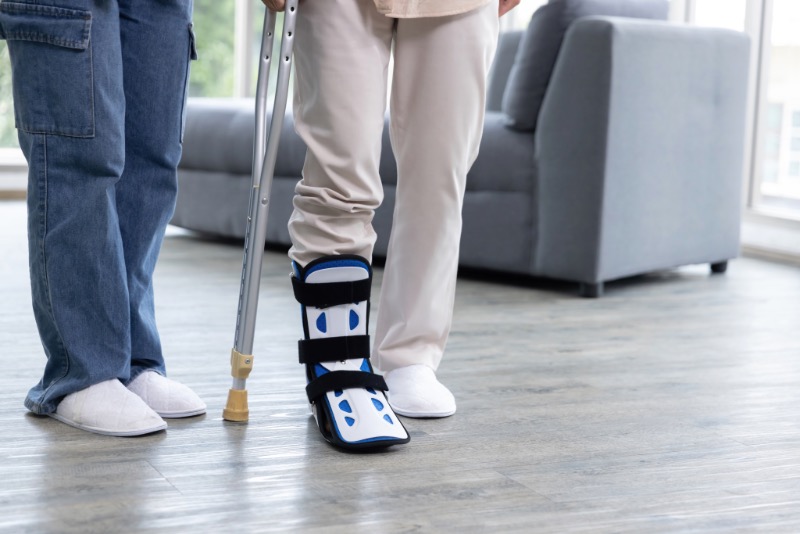
A walking boot, also known as a CAM boot, is a removable device designed to immobilise and protect the foot and ankle. It allows controlled weight-bearing while limiting movement, which helps injured tissues heal without excessive strain.
Unlike a plaster cast, a walking boot can be removed for hygiene, sleeping, or specific exercises. This makes it a more flexible option for many injuries, especially when gradual rehabilitation is expected.
Common Conditions Treated With a Walking Boot
Walking boots are commonly prescribed for a range of injuries affecting the foot and ankle. These include:
- Fractures and stress fractures
- Severe ankle sprains
- Tendon injuries such as Achilles or posterior tibial tendon issues
- Plantar fasciitis in more severe or persistent cases
- Post-surgical recovery
These conditions all benefit from reduced movement and controlled loading during the healing phase.
How Long Patients Typically Wear a Boot
The length of time in a walking boot varies depending on the injury. Minor conditions may require only 2–4 weeks, while fractures or more complex injuries can require 6–8 weeks or longer.
Other factors that influence duration include age, general health, and how well the body responds to treatment. Your clinician will usually guide you on when it is safe to transition out of the boot.
What Happens to Your Foot and Ankle While in a Boot
While a walking boot protects the injured area, it also changes how your body functions. Immobilisation and reduced movement lead to several predictable changes that affect recovery.
Muscle Weakness and Atrophy
When muscles are not used regularly, they begin to weaken. This process, known as atrophy, can occur surprisingly quickly, especially in the calf and foot muscles.
Even after a few weeks in a boot, patients often notice a visible reduction in muscle size. This weakness affects stability and makes returning to normal walking more difficult.
Joint Stiffness and Reduced Mobility
Joints rely on regular movement to stay flexible. When movement is restricted, stiffness develops in the ankle, foot, and even the toes.
This stiffness can make simple movements feel uncomfortable or restricted once the boot is removed. It is one of the most common reasons patients feel “not quite right” after immobilisation.
Changes in Gait and Balance
Walking in a boot alters your natural gait pattern. You may compensate by shifting weight to the other side or changing how your foot lands.
Over time, this can affect balance, coordination, and even other parts of the body such as the knee, hip, or lower back. According to the Cleveland Clinic guide on walking boots:, altered gait patterns are a common side effect of prolonged boot use.
Why Recovery Doesn’t End When the Boot Comes Off
Many patients assume that once the boot is removed, they can return to normal activity immediately. However, this often leads to setbacks or ongoing discomfort.
The key issue is that healing of the injured tissue does not automatically restore strength, flexibility, or coordination.
The Difference Between Tissue Healing and Functional Recovery
Tissue healing refers to the repair of bone, ligament, or tendon. Functional recovery refers to how well the foot and ankle can perform everyday tasks.
You can have a healed fracture but still lack the strength or mobility needed for walking, running, or standing for long periods. This gap is where rehabilitation becomes important.
Common Patient Misconceptions
Patients often believe:
- If it does not hurt, it is fully healed
- Rest alone is enough for recovery
- Returning to activity will naturally rebuild strength
In reality, returning too quickly without proper rehabilitation can increase the risk of re-injury.
Do You Always Need Physiotherapy After a Walking Boot?
Not every patient requires formal physiotherapy, but many benefit from some level of guided rehabilitation.
The need for physiotherapy depends on the severity of the injury, the length of time in the boot, and how the foot feels after removal.
Cases Where Physiotherapy Is Strongly Recommended
Physiotherapy is usually recommended in the following situations:
- Fractures or stress fractures
- Injuries requiring more than 4–6 weeks in a boot
- Persistent pain, swelling, or stiffness
- Difficulty walking normally
- Return to sport or physically demanding work
These cases often involve more significant changes to strength and mobility.
Cases Where Self-Directed Rehabilitation May Be Enough
For minor injuries, some patients can recover with simple home exercises and gradual return to activity.
This may apply if:
- The boot was worn for a short period
- There is minimal pain or stiffness
- Walking feels stable and natural
Even in these cases, guidance from a podiatrist can help ensure recovery stays on track.
Signs You May Need Physiotherapy
Certain symptoms suggest that your foot or ankle is not fully recovered and would benefit from professional support.
Persistent Pain or Swelling
Ongoing discomfort or swelling after the boot is removed can indicate incomplete recovery or overload. This is often a sign that the tissues are not coping with current activity levels.
Difficulty Walking Normally
If your walking feels uneven, awkward, or painful, it may be due to weakness or altered movement patterns.
Stiffness or Limited Range of Motion
Restricted movement in the ankle or foot can affect daily activities such as walking on uneven ground or climbing stairs.
Weakness or Instability
Feeling unsteady or lacking confidence in your foot is a common sign that strength and control need to be rebuilt.
These symptoms should not be ignored, as they can lead to further issues if left untreated.
What Physiotherapy After a Walking Boot Involves
Physiotherapy focuses on restoring normal function through a structured rehabilitation program. This process is tailored to the individual and the type of injury.
Restoring Range of Motion
Gentle exercises are used to improve flexibility in the ankle and foot. These movements help reduce stiffness and restore normal joint function.
Strengthening Muscles
Strength exercises target the calf, foot, and surrounding muscles. This improves stability and reduces strain on injured tissues.
Improving Balance and Proprioception
Balance training helps retrain the body’s awareness of joint position. This is essential for preventing re-injury and improving coordination.
Gait Retraining
Physiotherapists assess how you walk and help correct any compensations. This ensures a more natural and efficient walking pattern.
The Risks of Skipping Rehabilitation
Skipping rehabilitation can lead to ongoing problems, even if the original injury has healed.
Re-Injury or Chronic Pain
Without proper recovery, the same injury can recur. In some cases, pain becomes chronic due to poor movement patterns.
Long-Term Weakness or Instability
Weakness in the foot and ankle can persist, making everyday activities more difficult and increasing the risk of future injuries.
Compensation Injuries (Knee, Hip, Back)
Changes in walking can place extra strain on other parts of the body. This can lead to secondary issues such as knee pain or lower back discomfort.
Research highlighted in PubMed studies on immobilisation effects: shows that prolonged immobilisation significantly impacts muscle strength and joint function.
How Long Does Recovery Take After a Walking Boot?
Recovery timelines vary widely depending on the individual and the injury. Some patients recover within a few weeks, while others may take several months.
Factors That Affect Recovery Time
Several factors influence recovery, including:
- Type and severity of injury
- Time spent in the boot
- Age and general health
- Activity level and fitness
Typical Recovery Phases
Recovery generally occurs in stages:
- Early phase: regaining movement and reducing stiffness
- Mid phase: rebuilding strength and balance
- Late phase: returning to full activity or sport
Understanding these phases helps set realistic expectations.
What You Can Do at Home to Support Recovery
There are several practical steps you can take to support recovery after a walking boot.
Gentle Mobility Exercises
Start with simple movements such as ankle circles or gentle stretching. These help restore flexibility without overloading the joint.
Gradual Return to Activity
Avoid jumping straight back into high-impact activities. Gradually increase walking time and intensity.
Footwear Considerations
Supportive footwear plays an important role in recovery. Shoes with good cushioning and stability help reduce strain on healing tissues.
The NHS ankle injury recovery advice: emphasises the importance of gradual progression and appropriate support during recovery.
Preventing Future Injury After Wearing a Boot
Preventing re-injury is just as important as recovering from the original problem.
Strength and Conditioning
Ongoing strength training helps maintain stability and resilience in the foot and ankle.
Gradual Load Progression
Increase activity levels slowly to allow the body to adapt safely.
Listening to Your Body
Pain, swelling, or fatigue are signals that you may need to slow down. Ignoring these signs can lead to setbacks.
When to See a Podiatrist
A podiatrist can assess your recovery and provide guidance on the next steps.
Ongoing Pain or Delayed Recovery
If symptoms persist beyond expected timeframes, professional assessment is recommended.
Concerns About Walking or Foot Function
Changes in walking or balance should be evaluated to prevent long-term issues.
Returning to Sport or High Activity
If you plan to return to sport, a structured rehabilitation plan is essential.
When to See a Podiatrist on the Sunshine Coast
Patients on the Sunshine Coast often return to activities such as beach walking, running, and outdoor sports soon after injury. These environments place unique demands on the foot and ankle, particularly on uneven or soft surfaces.
You should consider seeing a podiatrist if your recovery feels slower than expected, if walking on sand feels unstable, or if you are unsure how to safely return to activity. A podiatry assessment typically involves reviewing your injury history, assessing strength and mobility, and observing how you walk.
Treatment may include exercise programs, footwear advice, or referrals for physiotherapy if needed. Many clinics also offer mobile podiatry services, which can be helpful for patients with limited mobility.
Early intervention can make a significant difference in preventing long-term problems and helping you return to your normal lifestyle with confidence.
Physiotherapy vs Podiatry: What’s the Difference?
Patients are often unsure whether they should see a physiotherapist or a podiatrist after wearing a walking boot.
How Physiotherapists Help
Physiotherapists focus on movement, strength, and rehabilitation exercises. They guide recovery through structured programs.
How Podiatrists Help
Podiatrists assess foot structure, biomechanics, and function. They provide guidance on footwear, orthotics, and overall foot health.
When You May Need Both
In many cases, a combined approach provides the best outcome. A podiatrist may diagnose and guide overall management, while a physiotherapist focuses on rehabilitation.
Frequently Asked Questions
Do I need physiotherapy if my foot feels fine?
Even if your foot feels normal, there may still be underlying weakness or stiffness. A brief assessment can help identify any hidden issues and reduce the risk of future injury.
How soon can I walk normally after a boot?
This depends on the injury, but most patients require a gradual transition. Walking normally may take several weeks as strength and mobility improve.
Is it normal to have pain after removing a boot?
Mild discomfort is common, especially in the early stages. However, ongoing or worsening pain should be assessed by a professional.
Can I return to sport straight away?
Returning to sport too quickly increases the risk of re-injury. A structured rehabilitation program is usually recommended before resuming high-impact activity.
What exercises should I start with?
Simple mobility and strengthening exercises are usually the starting point. These should be progressed gradually based on your symptoms and recovery.
How do I know if my recovery is on track?
Improvement in strength, mobility, and walking ability are good signs. If progress stalls or symptoms worsen, further assessment may be needed.
Key Takeaways for Patients
Recovering from a walking boot involves more than just removing the device. While the injury may have healed, the foot and ankle often need time and rehabilitation to return to full function.
Physiotherapy is not always required, but it can play a key role in restoring strength, mobility, and confidence. Ignoring ongoing symptoms can lead to long-term issues, so it is important to listen to your body.
If you are unsure about your recovery, seeking advice from a podiatrist or physiotherapist can help you return to normal activity safely and effectively.