
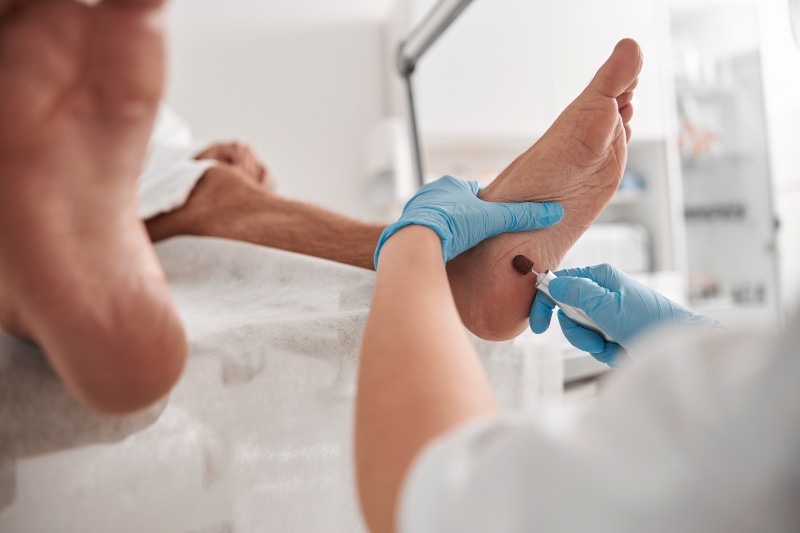
Plantar fasciitis is one of the most common reasons people experience heel pain, and it can significantly affect your ability to walk, work, and stay active. Many patients describe it as a sharp, stabbing pain in the heel, particularly when taking their first steps in the morning or after sitting for long periods.
Understanding what plantar fasciitis is, why it develops, and how it can be treated is essential for managing symptoms and preventing it from becoming a long-term issue. With the right approach, most people can recover well and return to normal activities without ongoing discomfort.
What Is Plantar Fasciitis?
Plantar fasciitis is a condition involving irritation, degeneration, or microtearing of the plantar fascia. The plantar fascia is a thick band of connective tissue that runs along the bottom of your foot, connecting your heel bone to your toes.
Its primary role is to support the arch of the foot and absorb shock when you walk, run, or stand. Over time, repeated stress can cause this tissue to become overloaded, leading to pain and inflammation.
Although the term “fasciitis” suggests inflammation, research now shows that in many cases the condition involves degenerative changes rather than active inflammation. According to the Mayo Clinic plantar fasciitis guide, this explains why symptoms often develop gradually rather than suddenly.
Anatomy of the Foot and Plantar Fascia
Structure of the Plantar Fascia
The plantar fascia is a strong, fibrous band that originates at the heel (calcaneus) and extends forward to attach near the base of the toes. It acts like a tensioned cable under the foot, helping maintain the arch structure.
This tissue is designed to handle significant forces, particularly during walking and running. However, it has limited flexibility, which means excessive strain can lead to small tears and irritation.
How It Functions in Walking and Running
The plantar fascia plays a crucial role in normal gait and foot mechanics. Each time your foot strikes the ground, it helps distribute body weight and absorb impact forces.
During the push-off phase of walking or running, the fascia tightens in a mechanism known as the “windlass effect,” stabilising the foot for efficient movement. When this system is overloaded, the fascia becomes stressed, leading to pain and dysfunction.
Common Symptoms of Plantar Fasciitis
Early Warning Signs
In the early stages, plantar fasciitis often presents with subtle but noticeable symptoms that worsen over time if ignored.
- Heel pain when taking your first steps in the morning
- Discomfort after sitting or resting
- Mild tenderness along the bottom of the foot
These symptoms are often intermittent at first, which is why many people delay seeking treatment.
Progressive Symptoms
As the condition progresses, symptoms tend to become more persistent and more intense.
- Pain after long periods of standing or walking
- Sharp or stabbing sensation near the heel
- Increased discomfort after exercise rather than during it
- Symptoms worsening over weeks or months
According to the Cleveland Clinic plantar fasciitis overview, untreated plantar fasciitis can lead to chronic heel pain that affects daily activities and mobility.
What Causes Plantar Fasciitis?
Overuse and Repetitive Strain
One of the most common causes of plantar fasciitis is repetitive stress on the foot. Activities that involve prolonged standing, walking, or running place continuous strain on the plantar fascia.
Over time, this repeated loading can lead to microtears in the tissue, particularly if there is insufficient recovery between activities.
Foot Mechanics and Biomechanics
The way your foot functions plays a major role in the development of plantar fasciitis.
- Flat feet can cause excessive strain due to poor arch support
- High arches can reduce shock absorption
- Abnormal walking patterns can increase stress on specific areas
Biomechanical issues often mean that even everyday activities can overload the plantar fascia.
External Factors
Environmental and lifestyle factors can also contribute to the condition.
- Wearing unsupportive footwear
- Walking or running on hard surfaces
- Sudden increases in activity levels
- Lack of proper warm-up or stretching
These factors can accelerate the onset of symptoms, especially when combined with underlying biomechanical issues.
Risk Factors for Developing Plantar Fasciitis
Certain groups of people are more likely to develop plantar fasciitis due to lifestyle or physical factors.
- Age between 40 and 60 years
- Jobs requiring long hours on your feet
- Increased body weight placing extra load on the feet
- Participation in high-impact sports
Research published through PubMed on plantar fasciopathy highlights that a combination of mechanical overload and reduced tissue resilience contributes to the condition.
How Plantar Fasciitis Is Diagnosed
Clinical Examination
A podiatrist typically diagnoses plantar fasciitis through a detailed clinical assessment. This includes discussing your symptoms, activity levels, and medical history.
The examination focuses on identifying tenderness at the heel, assessing foot structure, and observing how your foot moves during walking.
Imaging Tests (If Needed)
In most cases, imaging is not required. However, if symptoms persist or do not respond to treatment, further investigation may be recommended.
- Ultrasound to assess tissue thickness and damage
- MRI to rule out other conditions
- X-rays to check for heel spurs or bone issues
Imaging helps ensure that other causes of heel pain, such as stress fractures or nerve entrapment, are not overlooked.
Best Treatment Options for Plantar Fasciitis
Conservative (Non-Surgical) Treatments
Most cases of plantar fasciitis respond well to non-surgical treatment. The goal is to reduce load on the fascia and promote healing.
- Rest and activity modification
- Ice therapy to reduce pain
- Anti-inflammatory strategies
- Gradual return to activity
These approaches help reduce irritation and allow the tissue to recover.
Footwear and Orthotics
Supportive footwear is one of the most important aspects of treatment. Shoes should provide cushioning, arch support, and stability.
Custom orthotics can help correct underlying biomechanical issues by redistributing pressure across the foot. This reduces strain on the plantar fascia and improves function.
Advanced Treatments
For persistent or more severe cases, additional treatments may be recommended.
- Shockwave therapy to stimulate healing
- Dry needling to release tight tissues
- Strapping or taping techniques for support
According to the NHS plantar fasciitis treatment guide, these therapies can be effective when combined with exercise and load management.
Exercises and Stretches That Help
Plantar Fascia Stretching
Stretching the plantar fascia helps reduce tension and improve flexibility. A simple stretch involves pulling your toes upward while seated to feel a stretch along the arch.
Calf and Achilles Stretching
Tight calf muscles are a major contributor to plantar fasciitis. When the calf is tight, it increases strain on the plantar fascia during walking.
- Wall calf stretch
- Heel drop stretch
- Seated towel stretch
Regular stretching can significantly reduce symptoms over time.
Strengthening Exercises
Strengthening the muscles of the foot improves stability and reduces the risk of recurrence.
- Towel scrunch exercises
- Toe raises
- Balance exercises
These exercises help the foot better absorb load during daily activities.
What to Avoid When You Have Plantar Fasciitis
Certain habits can worsen symptoms and delay recovery.
- Walking barefoot on hard floors
- Ignoring early signs of heel pain
- Continuing high-impact activities without modification
- Wearing unsupportive footwear
Avoiding these factors is just as important as following treatment recommendations.
Prevention Tips for Long-Term Foot Health
Preventing plantar fasciitis involves maintaining good foot health and reducing excessive strain.
- Choose supportive footwear appropriate for your activity
- Increase activity levels gradually
- Maintain a healthy body weight
- Stretch regularly, especially after exercise
Consistency with these habits can significantly reduce the risk of recurrence.
When Should You See a Podiatrist?
If heel pain persists or begins to interfere with your daily life, it is important to seek professional advice.
- Pain lasting more than a few weeks
- Difficulty walking or exercising
- Symptoms worsening despite home care
Early intervention often leads to faster recovery and prevents the condition from becoming chronic.
When Should Sunshine Coast Patients See a Podiatrist?
Living on the Sunshine Coast often involves an active lifestyle, with plenty of walking, beach activities, and outdoor exercise. While this is great for overall health, it can also place extra stress on the feet, particularly when walking barefoot on sand or wearing minimal footwear.
Patients should consider seeing a podiatrist if heel pain begins to affect their ability to enjoy these activities or perform daily tasks. Persistent discomfort, especially after beach walks or long days on your feet, is a sign that the plantar fascia may be under strain.
A podiatry assessment typically involves a detailed examination of foot posture, walking patterns, and footwear. Treatment may include tailored exercise programs, footwear advice, orthotics, and hands-on therapies designed to reduce pain and improve function.
Access to local podiatry care allows for personalised treatment plans that consider lifestyle factors unique to the Sunshine Coast. Early diagnosis and management can make a significant difference in recovery time and long-term outcomes.
How Long Does Plantar Fasciitis Take to Heal?
Recovery time varies depending on the severity of the condition and how early treatment begins.
Most patients experience improvement within a few weeks to a few months with consistent treatment. However, more persistent cases can take several months to fully resolve.
Factors that influence healing include:
- How long symptoms have been present
- Activity levels and load on the foot
- Compliance with treatment and exercises
- Foot biomechanics
Consistency is key. Patients who follow a structured treatment plan are more likely to recover quickly and avoid recurrence.
Frequently Asked Questions
Is plantar fasciitis permanent?
Plantar fasciitis is not usually permanent, but it can become chronic if left untreated. Most people recover fully with appropriate care, although symptoms can return if contributing factors are not addressed.
Can I still exercise with plantar fasciitis?
You can usually continue exercising, but activities may need to be modified. Low-impact exercises such as swimming or cycling are often recommended while reducing high-impact activities like running.
Are heel spurs the same as plantar fasciitis?
Heel spurs are bony growths that can develop on the heel bone, but they are not the primary cause of plantar fasciitis. Many people have heel spurs without any pain, and the two conditions are often unrelated.
Do orthotics really help?
Orthotics can be very effective, especially if your plantar fasciitis is linked to biomechanical issues. They help redistribute pressure and provide support, reducing strain on the plantar fascia.
Should I use ice or heat?
Ice is generally recommended, particularly in the early stages or after activity. It helps reduce pain and irritation, whereas heat is less commonly used for this condition.
Why is the pain worse in the morning?
Morning pain occurs because the plantar fascia tightens overnight. When you take your first steps, the tissue is suddenly stretched, causing a sharp pain.
Taking Control of Plantar Fasciitis and Heel Pain
Plantar fasciitis is a common but highly manageable condition that responds well to early and consistent treatment. Understanding the symptoms, causes, and contributing factors is the first step toward effective recovery.
By addressing footwear, activity levels, and foot mechanics, most patients can significantly reduce pain and return to normal activities. Ignoring symptoms, however, can lead to prolonged discomfort and more complex treatment.
Taking a proactive approach, seeking professional advice when needed, and maintaining good foot health habits can make all the difference. With the right care, it is entirely possible to restore comfort, mobility, and confidence in your daily life.