Foot pain is one of the most common reasons people seek podiatry care. Whether it starts as a dull ache in the heel or sharp discomfort when walking, it can quickly affect daily life, work, and physical activity.
Custom orthotics are frequently recommended as part of treatment, but many patients are unsure what they actually do or whether they are worth the cost. Understanding how they work and who they help can make it easier to decide if they are the right option for you.
This guide explains custom orthotics in clear, practical terms so you can make an informed decision about your foot health.
What Are Custom Orthotics?
Custom orthotics are prescription medical devices designed to support, align, and improve the function of your feet. They are made specifically for your individual foot shape, biomechanics, and medical needs.
Unlike generic inserts, custom orthotics are not just soft cushioning. They are carefully engineered devices that influence how your foot moves with every step.
How Are They Different from Over-the-Counter Insoles?
Over-the-counter insoles are mass-produced and designed to fit a wide range of foot types. While they can provide basic comfort, they do not address specific structural or biomechanical issues.
Key differences include:
- Custom orthotics are tailored to your exact foot structure
- They are prescribed based on a clinical assessment
- They target specific conditions rather than general comfort
- Materials and design are chosen for your activity level and needs
Prefabricated insoles can help mild discomfort, but they often fall short when dealing with persistent or complex foot problems.
How Do Podiatrists Assess the Need for Orthotics?
A podiatrist will assess several factors before recommending orthotics. This ensures the device is appropriate and effective.
The assessment typically includes:
- A detailed history of your symptoms and activity levels
- Examination of foot structure and alignment
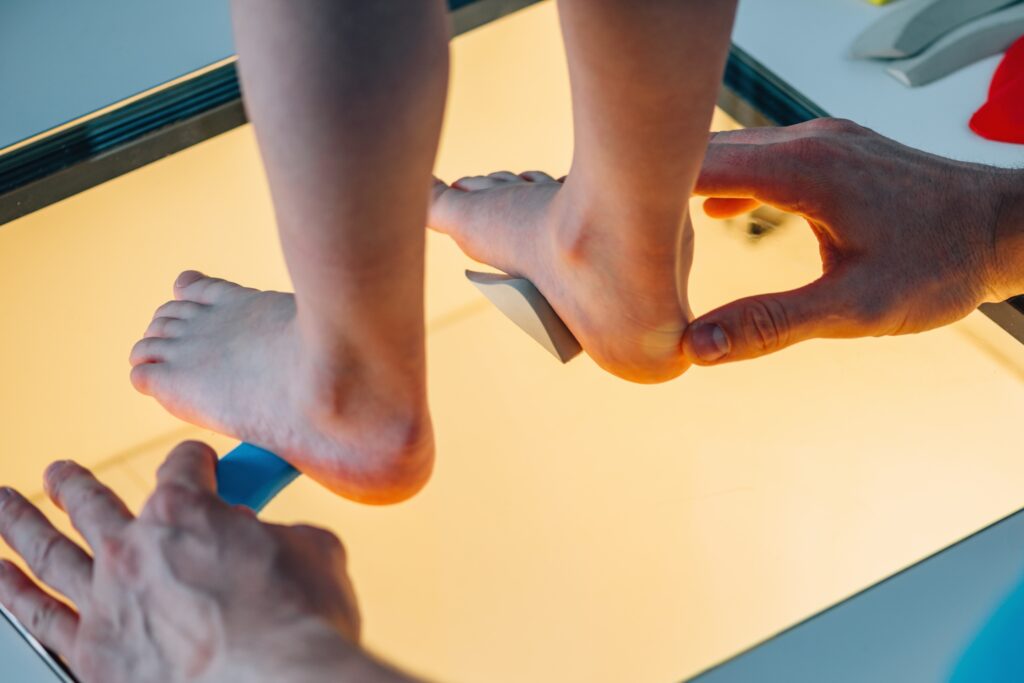
- Gait analysis (how you walk or run)
- Assessment of footwear and wear patterns
This process helps identify underlying causes rather than just treating symptoms.
How Do Custom Orthotics Work?
To understand how orthotics help, it is important to look at how the foot functions during movement.
Foot Biomechanics and Pressure Distribution
Your feet absorb and redistribute forces every time you stand, walk, or run. When foot mechanics are not functioning optimally, certain areas experience excessive pressure.
Custom orthotics help by:
- Redistributing pressure more evenly across the foot
- Supporting the arch to reduce overload
- Improving shock absorption
According to the Mayo Clinic plantar fasciitis guide: supportive devices like orthotics can significantly reduce strain on the plantar fascia by improving load distribution.
Correcting Abnormal Gait Patterns
Abnormal walking patterns, such as overpronation (rolling inward) or supination (rolling outward), can lead to ongoing strain.
Orthotics can:
- Guide the foot into a more efficient position
- Improve alignment from the foot up through the ankle, knee, and hip
- Reduce compensatory movements that lead to injury
Reducing Strain on Soft Tissues
When the foot is not functioning correctly, muscles, ligaments, and joints are forced to work harder.
Orthotics reduce strain by:
- Supporting weakened structures
- Limiting excessive motion
- Allowing tissues to recover and heal
This is particularly important in chronic conditions where inflammation persists.
Common Types of Custom Orthotics
Not all orthotics are the same. The type prescribed depends on your condition, activity level, and treatment goals.
Functional Orthotics
Functional orthotics are designed to control abnormal motion and improve alignment.
They are typically made from firmer materials and are commonly used for:
- Flat feet
- Overpronation
- Sports injuries
- Chronic heel pain
These devices focus on correcting how the foot moves rather than just cushioning it.
Accommodative Orthotics
Accommodative orthotics are softer and focus on comfort and pressure relief.
They are often used for:
- Arthritis
- Diabetes-related foot issues
- Sensitive or injured areas
- Calluses and pressure points
Their primary goal is to reduce pain by cushioning and protecting the foot.
Sport-Specific Orthotics
Sport-specific orthotics are designed for particular activities such as running, walking, or court sports.
They take into account:
- Movement patterns
- Impact forces
- Footwear used in the activity
This helps improve performance while reducing injury risk.
What Foot Conditions Can Orthotics Help With?
Custom orthotics are commonly used to manage a wide range of foot and lower limb conditions.
Plantar Fasciitis
Orthotics support the arch and reduce strain on the plantar fascia, helping to relieve heel pain and inflammation.
Flat Feet (Fallen Arches)
They provide structural support to improve alignment and reduce excessive inward rolling of the foot.
High Arches
Orthotics help distribute pressure more evenly, reducing stress on the heel and forefoot.
Heel Pain
By cushioning impact and correcting mechanics, orthotics can reduce ongoing irritation.
Bunions and Hammertoes
They help redistribute pressure away from affected joints and improve foot alignment.
Shin Splints and Knee Pain
Foot mechanics influence the entire lower limb. Orthotics can reduce abnormal forces that contribute to pain higher up the chain.
Research highlighted by the Cleveland Clinic overview on orthotics: supports their role in improving alignment and reducing pain in various musculoskeletal conditions.
Signs You Might Need Custom Orthotics
Many people live with foot discomfort for years without realising it can be treated effectively.
Common signs include:
- Persistent foot or heel pain
- Pain when standing or walking for long periods
- Uneven shoe wear patterns
- Recurring injuries such as ankle sprains
- Foot fatigue or instability
If these symptoms are ongoing, it often indicates an underlying biomechanical issue rather than a temporary problem.
The Process of Getting Custom Orthotics
Understanding the process can make patients feel more confident about seeking treatment.
Initial Assessment
The first step is a comprehensive podiatry assessment.
This includes:
- Reviewing your medical and activity history
- Assessing foot posture and joint movement
- Observing walking or running patterns
This step ensures the orthotics are tailored to your needs.
Foot Scanning or Casting
Modern clinics often use digital scanning technology, although plaster casting may still be used in some cases.
This captures:
- The exact shape of your foot
- Arch height and contours
- Pressure points
Accurate measurements are essential for an effective device.
Prescription and Fitting
Once designed, the orthotics are fitted and adjusted to ensure comfort.
Your podiatrist will:
- Check alignment and fit in your shoes
- Make adjustments if needed
- Provide guidance on how to use them
Follow-up appointments are often recommended to fine-tune the device.
Benefits of Custom Orthotics
Custom orthotics provide a range of benefits beyond simple pain relief.
Pain Relief and Improved Comfort
By addressing the root cause of pain, orthotics can provide long-lasting relief.
Better Posture and Alignment
Correcting foot position improves alignment throughout the body, including the knees, hips, and lower back.
Injury Prevention
By reducing abnormal stress, orthotics can help prevent recurring injuries.
Enhanced Athletic Performance
Improved biomechanics can lead to more efficient movement and reduced fatigue.
Long-Term Foot Health Support
Orthotics support the foot over time, helping to prevent worsening of existing conditions.
Are Custom Orthotics Worth the Investment?
Cost is one of the most common concerns patients have.
Upfront Cost vs Long-Term Benefits
While custom orthotics require an initial investment, they often reduce the need for ongoing treatments, medications, or time off activity.
Durability and Lifespan
Most custom orthotics last between 1–5 years depending on:
- Activity level
- Body weight
- Footwear used
This makes them a long-term solution rather than a short-term fix.
Cost-Effectiveness
For chronic conditions, orthotics are often more cost-effective than repeated temporary treatments.
Custom Orthotics vs Over-the-Counter Insoles
Understanding the difference helps patients choose the right option.
Key Differences
- Custom orthotics are tailored to your foot and condition
- Insoles are generic and provide basic cushioning
- Orthotics address biomechanics, not just comfort
When Prefabricated Insoles May Be Enough
Insoles can be suitable for:
- Mild discomfort
- Temporary support
- Short-term use
Why Custom Devices Are Recommended for Chronic Conditions
Persistent pain usually involves structural or mechanical issues that require targeted treatment.
The NHS foot pain guidance: highlights that persistent symptoms often require professional assessment rather than self-treatment alone.
How Long Do Orthotics Take to Work?
Many patients expect immediate results, but adjustment takes time.
Typical Adjustment Period
Most people need 2–4 weeks to fully adapt to orthotics.
What Improvements to Expect
- Reduced pain
- Improved comfort when walking
- Less fatigue
Importance of Consistent Use
Wearing orthotics regularly is essential for achieving the best results.
Potential Limitations and Misconceptions
Orthotics are highly effective, but they are not a cure-all.
Not a Quick Fix
They work gradually by improving biomechanics over time.
Not a Cure for All Conditions
Some conditions require additional treatments such as:
- Strengthening exercises
- Footwear changes
- Manual therapy
Part of a Broader Treatment Plan
Orthotics are most effective when combined with other interventions.
Caring for Your Custom Orthotics
Proper care helps extend their lifespan and effectiveness.
Cleaning and Maintenance
- Wipe with a damp cloth regularly
- Avoid soaking them in water
- Allow them to air dry
When to Replace Them
Orthotics may need replacement if:
- They show visible wear
- They no longer feel supportive
- Your symptoms return
Signs They Need Adjustment
- New discomfort
- Changes in walking pattern
- Pressure points
When Should You See a Podiatrist?
Some symptoms should not be ignored.
Key Warning Signs
- Ongoing or worsening foot pain
- Difficulty walking or standing
- Recurrent injuries
- No improvement with home treatments
Early assessment can prevent minor issues from becoming chronic problems.
When Should You See a Podiatrist for Custom Orthotics on the Sunshine Coast?
The Sunshine Coast lifestyle often involves high levels of activity, from beach walking to running and outdoor sports. These activities can place additional strain on the feet, particularly if there are underlying biomechanical issues.
You should consider seeing a podiatrist if foot pain is limiting your ability to stay active or affecting your daily routine. Early intervention can prevent long-term complications and help you return to activity more comfortably.
A podiatry assessment typically involves a detailed examination of your foot structure, walking pattern, and footwear. This helps identify the underlying cause of pain rather than just treating the symptoms.
Treatment options may include custom orthotics, footwear advice, strengthening exercises, and load management strategies. Many clinics also offer mobile podiatry services, which can be helpful for patients with mobility challenges or busy schedules.
Seeking local care ensures ongoing support, adjustments, and monitoring as your condition improves.
Frequently Asked Questions
Do custom orthotics weaken your feet?
No, when prescribed correctly, orthotics do not weaken your feet. They support proper alignment and reduce excessive strain, allowing muscles and tissues to function more efficiently. In many cases, they are combined with strengthening exercises to improve overall foot function.
Can I wear orthotics in all shoes?
Orthotics can be used in many types of footwear, but some shoes are more suitable than others. Supportive shoes with removable insoles tend to work best. Your podiatrist can guide you on appropriate footwear choices.
Will I need orthotics forever?
Not always. Some patients use orthotics temporarily while recovering from an injury, while others benefit from long-term use. This depends on your condition and how your body responds to treatment.
Are custom orthotics uncomfortable at first?
It is normal to feel some mild discomfort during the adjustment period. This usually settles within a few weeks as your body adapts to the new alignment.
Can orthotics help with back or knee pain?
Yes, foot alignment affects the entire lower limb. Improving foot mechanics can reduce strain on the knees, hips, and lower back.
How do I know if my orthotics are working?
Signs include reduced pain, improved comfort, and better endurance when walking or standing. Follow-up appointments help ensure they are functioning as intended.
Custom orthotics can be a highly effective solution for foot pain when prescribed and used correctly. By addressing the underlying cause rather than just the symptoms, they offer long-term benefits for comfort, mobility, and overall lower limb health.