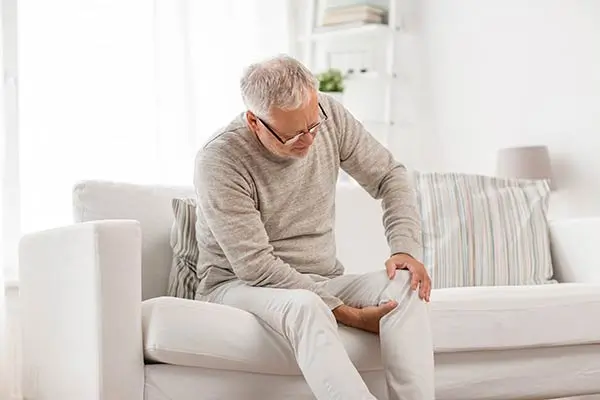
Are you concerned about falling as you get older, or worried about an older loved one’s safety at home? You’re not alone – and more importantly, you’re right to be concerned.
Falls have become the leading cause of injury deaths across Australia, with approximately 8 Australians dying from falls-related injuries each day. Here’s what makes this statistic even more significant: over a third of these falls are actually preventable.
Think of podiatry care as your frontline defence against falls. Working with a podiatrist can reduce your fall risk by 36%, making professional foot care an essential part of staying safe and independent as you age.
The connection between your feet and fall risk is stronger than most people realise. Research shows that foot pain, ankle stiffness, bunions, and reduced toe strength all directly contribute to balance issues. Even more concerning, studies reveal that 72% of older adults may be wearing improperly fitting shoes, which significantly impacts their walking stability.
This is exactly why effective falls prevention programs should always include professional podiatry assessment – your feet are literally your foundation for staying upright.
What you’ll learn in this guide is how podiatrists contribute to falls prevention in aged care settings, which exercises can strengthen your feet and improve balance, and the specific interventions that make the biggest difference in reducing your fall risk. Whether you’re concerned about your own stability or caring for an older family member, understanding how foot health connects to falls prevention could make all the difference to maintaining independence and safety.
Why Falls Are a Growing Concern in Older Adults
Falls among older adults have reached epidemic proportions. One in four adults aged 65 and over experiences at least one fall per year, with this percentage jumping to nearly 40% in those aged 85 years and above. The most concerning aspect? Over 30% of individuals over age 65 fall annually, and approximately half of these cases involve recurring falls.
These aren’t just statistics – they represent a growing threat to the independence and well-being of Australia’s ageing population.
The impact of falls on independence and health
Falls represent the leading cause of injury for adults 65 years and older, creating profound consequences that extend far beyond the initial incident. Approximately 10% of falls result in serious injuries, including hip fractures, other fractures, traumatic brain injuries, or subdural hematomas. Here in Australia, falls account for a staggering 77% of all injury hospitalisations and 71% of injury deaths among older Australians.
What happens after a fall can be just as damaging as the fall itself. Many older adults develop what medical professionals call “post-fall syndrome” – a condition characterised by fear and psychological trauma where an elderly person refuses to move due to fear of recurring falls.
This fear creates a dangerous downward spiral. Reduced movement leads to muscle weakness, which actually increases fall risk further. It’s a cycle that can quickly erode the very independence that older adults are trying to protect.
The economic impact tells its own story. Falls result in an estimated 5,300 deaths across Australia each year, costing approximately AUD 13.61 billion annually. But the real cost – the loss of confidence, independence, and quality of life – can’t be measured in dollars.
Age-related changes that increase fall risk
Age brings inevitable changes that stack the deck against maintaining perfect balance. Ageing typically results in a wide-based gait, along with decreases in gait velocity, step length, and lower limb strength.
Your body also experiences several other changes that affect stability:
- Reduction in proprioceptive and vibratory sensation
- Altered visual acuity and depth perception
- Increased body sway and poor positional control
- Sarcopenia (age-related loss of muscle mass)
One factor that often flies under the radar is declining diaphragm muscle strength, which causes instability in the back area and can lead to falls. Add to this the medications commonly prescribed to older adults – antihypertensives, sedatives, hypnotics, antidepressants, and benzodiazepines – and fall risk increases substantially.
Researchers describe the combination of these internal factors with environmental hazards as a “perfect storm” for falls. When greater postural control is required (like walking on an uneven surface), age-related decline in muscle power and reaction speed makes it much harder to maintain balance.
Falls prevention in aged care settings
Falls in older adults result from multiple factors, so prevention efforts need to be just as comprehensive. Aged care settings have made multifactorial interventions the cornerstone of their falls prevention strategies.
Effective prevention programs typically include:
- Comprehensive falls risk assessment
- Balance and mobility improvement programs
- Medication reviews and adjustments
- Environmental modifications
- Vitamin D supplementation when appropriate
The Comprehensive Geriatric Assessment (CGA) serves as a valuable multidisciplinary tool for evaluating older patients at risk of falling. This assessment identifies individual risk factors such as cognitive impairment, gait disorders, vision problems, and medication issues that can be targeted through specific interventions.
While eliminating hospitalisations isn’t realistic, early identification of risk factors allows care providers to tailor interventions to each person’s unique needs. Medical assessment combined with environmental safety reviews and targeted exercise programs can substantially reduce both the frequency and severity of falls in aged care settings.
Note: The key to successful falls prevention lies in addressing all risk factors – not just the obvious ones.
Footwear and Falls: What You Need to Know
Your shoes are the critical link between your feet and the ground – and the wrong choice can turn a simple walk across your living room into a dangerous situation. For older adults dealing with changing foot structures and reduced flexibility, proper footwear becomes even more essential for maintaining balance and preventing falls.
How shoes affect posture and gait
The shoes you wear directly influence how you walk and maintain balance. When footwear is improperly designed, it decreases postural stability and disrupts your natural walking pattern. This relationship becomes particularly critical as you age, since foot changes already affect your balance and mobility.
Here’s something that might surprise you: approximately 30% of older adults go barefoot or wear only socks at home. While walking barefoot might provide better sensory feedback than wearing inappropriate shoes like sandals, it actually increases feelings of instability and has been identified as a fall risk factor. The numbers tell the story – 52% of falls occur when people are barefoot, wearing slippers, or wearing socks without shoes.
The biomechanics become more complex with age. Ill-fitting shoes force unnatural foot positioning, reducing toe clearance during walking and increasing your risk of tripping. Properly supportive shoes, on the other hand, help maintain natural alignment and reduce strain on your feet and ankles.
Features of fall-safe footwear
When selecting shoes for falls prevention, prioritise these specific characteristics:
- Low, bevelled heels under 1 inch in height to maintain better balance
- Wide base providing better ground contact and increased stability[113]
- Firm midsole that resists excessive twisting to prevent ankle injuries
- Proper fixation through laces, buckles, or velcro straps to hold feet securely
- Closed heel with good support to prevent foot slippage within the shoe[113]
- Thin, textured soles with slip-resistant patterns to enhance grip on various surfaces
- Wide and deep toe box allowing toes to spread naturally
- Lightweight materials to prevent shuffling or foot-dragging
Athletic and canvas shoes (sneakers) consistently show the lowest fall risk compared to other footwear types[123]. Balance shoes with increased width have proven particularly effective, with most users reporting they feel safer and more stable.
Common mistakes in shoe selection
Despite knowing better, more than 60% of older adults wear unsuitable shoes with inappropriate length and width. Even more concerning, 83% of seniors wear improperly fitted shoes on at least one foot.
Slippers represent one of the most problematic choices. They typically lack essential stability features like heel support, proper fixation, and slip-resistant soles. Yet slippers remain the most popular indoor footwear among older adults. Research shows that 17% of falls while wearing slippers or sandals can be directly attributed to footwear-related factors.
The comfort trap catches many people. Rather than considering stability features, many older adults choose footwear based purely on perceived comfort. Similarly, continuing to wear worn-out shoes with reduced cushioning and support increases both discomfort and fall risk.
Poor footwear choices create problems beyond just falls – they contribute to corns, bunions, and persistent foot pain. Selecting appropriate footwear becomes about more than preventing immediate falls; it’s about maintaining long-term foot health and preserving your mobility.
Podiatry Interventions That Make a Difference
Professional podiatrists offer specialised interventions that go far beyond basic foot care. Research demonstrates that professional podiatric care can reduce a person’s fall risk by as much as 36%. The key difference lies in how podiatrists focus on specific biomechanical factors that affect stability and gait, rather than taking a general approach to falls prevention.
Falls prevention strategies used by podiatrists
Effective podiatric care starts with comprehensive foot assessments designed to identify structural issues and gait abnormalities that contribute to instability. These evaluations often include balance performance measures such as the one-leg stance test.
What sets professional podiatric interventions apart is their multifaceted approach. Studies confirm that multifaceted podiatry interventions produce significant reductions in falls rate (fall rate ratio 0.77) compared to usual care. Single-component interventions, however, show no significant effects on fall rate.
A complete podiatric falls prevention program includes:
- Biomechanical assessment of lower limb function
- Gait analysis to identify walking pattern abnormalities
- Footwear assessment and recommendations
- Exercise programs targeting foot and ankle strength
- Patient education on falls prevention strategies
Custom orthoses and their benefits
Custom foot orthoses serve as a cornerstone intervention for falls prevention. These specialised devices improve balance by increasing tactile stimulation of the foot’s plantar surface, which enhances sensory feedback to the central nervous system.
Custom orthoses provide particular benefits for older adults with excessively high arches or flat feet, offering stability and support to the foot structure. They redistribute plantar pressure away from painful areas through customisation with materials like Poron cushioning. Most importantly, orthoses improve postural stability by essentially doubling the proprioceptive feedback to the brain.
If you’re concerned about fall risk due to foot problems, reach out to Coastal Podiatry for professional podiatry services and expert advice on falls prevention.
Treating foot pain to improve mobility
Foot pain affects approximately one in four older people and serves as an independent risk factor for falls. Pain management becomes essential for maintaining mobility and reducing fall risk.
Podiatrists address painful foot conditions through various targeted interventions, from debridement of corns and calluses to accommodations for toe deformities. They specifically manage risk factors, including bunions, ankle stiffness, and reduced toe strength.
Measurable improvements after podiatric treatment include:
Studies demonstrate that participants experience significant improvements in several measures of foot and ankle strength, range of motion, and balance. Research has documented specific improvements in ankle eversion strength, ankle dorsiflexion range, and postural sway—all critical factors for maintaining stability.
Podiatrists emphasise patient education and ongoing assessment throughout these interventions, creating a comprehensive approach that addresses both immediate fall risks and long-term foot health needs.
Exercise as a Tool for Fall Prevention
Physical activity is one of the most powerful tools for preventing falls. Structured exercise programs can reduce fall risk by up to 36% when performed just three times per week.
The key lies in consistency rather than intensity – regular movement keeps your muscles strong and your balance sharp.
Falls prevention exercises for older adults
Multicomponent exercise programs deliver the best results for preventing falls. Rather than focusing on just one type of activity, these programs combine several elements:
- Strength training to improve muscle mass and power
- Balance exercises to enhance stability
- Flexibility work to maintain joint mobility
- Gait training to improve walking patterns
Tai chi stands out as particularly valuable for older adults concerned about falls, as it focuses on slow, controlled movements that enhance balance and flexibility. The effectiveness of exercise increases when programs challenge balance at a moderate to high level and continue for 25 weeks or longer.
Note: Start slowly and build up gradually – sudden increases in activity can actually increase injury risk.
Improving balance through foot-focused routines
Your feet form the foundation of every movement you make. Simple yet effective routines include:
Toe raise, point, and curl exercises strengthen all parts of your feet and improve flexibility. Ankle circles enhance mobility and range of motion, helping prevent stiffness that contributes to falls. Heel-to-toe walking (tandem walking) improves coordination by enhancing communication between the brain and foot muscles.
Here’s something that might surprise you: the single-leg stance test has gained importance beyond just being an exercise. Recent research indicates that adults aged 51-75 who cannot balance on one leg for ten seconds have an 84% higher mortality risk over twelve years.
How podiatrists monitor progress
Podiatrists design personalised exercise programs tailored to each individual’s mobility level and functional capacity. Rather than prescribing generic routines, they create programs that safely and gradually build strength and balance based on your specific needs.
Progress monitoring occurs through standardised assessments, with podiatrists modifying exercise prescriptions as improvements are made. They frequently collaborate with physical therapists and occupational therapists to create falls prevention programs addressing all risk factors.
Recommended approach: Schedule regular check-ins with your podiatrist to track improvements and adjust your exercise routine accordingly.
Building a Falls Prevention Program with Podiatry
Creating an effective falls prevention program isn’t about choosing between different approaches—it’s about getting them to work together. Research demonstrates that multifaceted podiatry interventions produce significant reductions in fall rates compared to standard care.
Combining podiatry with other care services
The most successful falls prevention strategies happen when podiatrists work alongside other healthcare professionals. A multidisciplinary team typically includes podiatrists, general practitioners, nurse practitioners, physical therapists, and occupational therapists—each bringing their own expertise to your care.
This collaborative approach from both occupational and physical therapists ensures that all your fall risk factors get identified and addressed properly. Rather than treating just your feet in isolation, the team looks at everything from your medications to your home environment.
Recommended Read: For comprehensive falls prevention planning and professional foot care, contact Coastal Podiatry today to schedule a consultation with our experienced team.
Using screening tools to assess fall risk
Several validated screening tools help healthcare providers identify who’s at high risk for falls:
- Fall Risk Assessment Tools (FRAT) consists of three parts: falls risk status, risk factor checklist, and action plan
- Falls Risk for Older People in the Community (FROP-Com) assesses 13 different risk factors on a scale of 0-3
- Timed Up and Go (TUG) Test measures functional mobility by timing how long it takes to stand from a chair, walk three metres, return, and sit down
These assessments enable your healthcare providers to tailor interventions based on your specific identified risks. No two people have the same combination of risk factors, which is why personalised assessment matters.
Creating a long-term plan for foot health
Long-term foot health management involves regular podiatry visits coupled with home-based strategies. Ongoing monitoring allows for timely adjustments to orthotic devices, footwear recommendations, and exercise regimens.
Your care planning should involve both you and your family or carers, ensuring that falls prevention interventions are communicated effectively. The Community Falls Prevention Program sustainability guidelines help agencies develop effective long-term programs that may reduce fall rates.
Note: The key to successful long-term foot health isn’t just the initial assessment—it’s the ongoing relationship with your podiatrist that allows for adjustments as your needs change over time.
Conclusion
Your feet are the foundation of your independence – and now you know exactly how to protect that foundation.
Professional podiatry care offers one of the most effective approaches to falls prevention, with research-backed interventions that address the root causes of instability. The evidence is clear: proper foot care, appropriate footwear, targeted exercises, and professional assessment work together to significantly reduce your fall risk.
What makes podiatry particularly valuable is its focus on prevention rather than reaction. Instead of waiting for problems to develop, podiatrists identify and address potential issues before they compromise your safety. Whether it’s custom orthoses for structural support, exercise programs for strength and balance, or simply getting the right shoes for your feet, these interventions target the specific factors that matter most for stability.
The most effective approach combines professional expertise with your commitment to following through. Regular podiatry visits, consistent foot exercises, and proper footwear choices create a comprehensive strategy that addresses multiple fall risk factors simultaneously.
Remember, falls aren’t an inevitable part of ageing – they’re largely preventable with the right support and interventions. Professional podiatry care gives you the tools and knowledge needed to maintain your mobility, confidence, and independence for years to come.
If you’re ready to take proactive steps towards better balance and reduced fall risk, consider scheduling a consultation with a qualified podiatrist. Your future self will thank you for the investment in your safety and independence.
Key Takeaways
Professional podiatry care is a game-changer for falls prevention in older adults, offering evidence-based interventions that can significantly reduce fall risk and maintain independence.
• Podiatry care reduces fall risk by 36% through comprehensive foot assessments, custom orthoses, and targeted interventions that address biomechanical factors affecting stability.
• Proper footwear is critical for safety – choose shoes with low bevelled heels, wide bases, firm support, and slip-resistant soles instead of slippers or going barefoot.
• Foot-focused exercises strengthen stability by targeting toe strength, ankle mobility, and balance through routines like heel-to-toe walking and single-leg stance tests.
• Multifaceted approaches work best when podiatrists collaborate with other healthcare professionals to address all fall risk factors through comprehensive screening and personalised care plans.
• Early intervention prevents serious consequences since falls cause 77% of injury hospitalisations in older Australians and often lead to fear-induced activity reduction that worsens fall risk.
The connection between foot health and falls prevention is undeniable – investing in professional podiatry care today can preserve your mobility, independence, and quality of life for years to come.