
Professional podiatry care for persistent foot pain between your toes
If you’re experiencing sharp, burning pain in the ball of your foot that feels like stepping on a pebble, you might have Morton’s neuroma. At Coastal Podiatry Foot & Ankle Clinic, we provide comprehensive diagnosis and treatment for this common foot condition affecting the nerves between your toes.
Why choose our Morton’s neuroma treatment:
- Advanced therapies including MLS Laser Therapy and Neural Prolotherapy
- Experienced podiatrists with specialised training in foot conditions
- Comprehensive treatment approach from conservative care to advanced interventions
Understanding Morton's Neuroma
Morton’s neuroma occurs when tissue around the nerves leading to your toes becomes thickened, typically between the third and fourth toes. This thickening creates pressure on the nerve, resulting in sharp, burning pain or numbness in the ball of the foot.
The condition develops gradually and can significantly impact your daily activities. High-heeled shoes, tight-fitting footwear, and certain foot shapes can contribute to the development of Morton’s neuroma. Understanding the underlying causes helps us develop an effective treatment plan tailored to your specific needs.
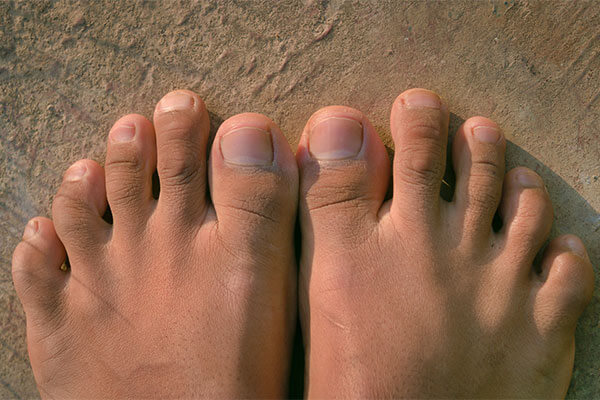
Recognising Morton's Neuroma Symptoms
Symptoms of Morton’s neuroma (also known as interdigital neuroma) typically develop between the third and fourth toes, though they can occur in other areas of the forefoot. Early recognition of these symptoms is important for effective treatment:
Common symptoms include:
- Sharp, shooting pain in the ball of your foot
- Burning sensation that may extend into your toes
- Tingling or pins-and-needles feeling
- Sensation of standing on a pebble or marble
- Clicking feeling when walking
- Localised tenderness in the affected area
- Pain that worsens with tight shoes or high heels
- Difficulty bearing weight on the affected foot
- Stiffness in the toe joints
- Numbness between the affected toes
The pain often becomes more noticeable in the interdigital nerve during activities and may improve when you remove your shoes and massage your foot.
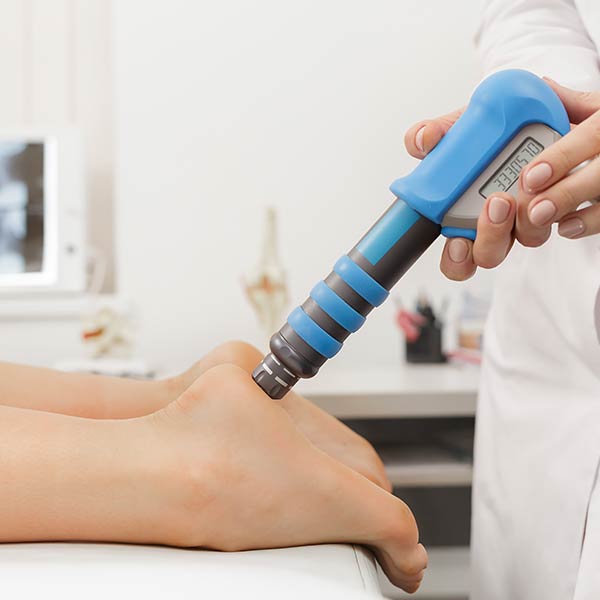
How We Diagnose Morton's Neuroma
Accurate diagnosis is essential for effective interdigital neuroma treatment. Our experienced podiatrists use a comprehensive approach to confirm the condition of the digital nerves and rule out other potential causes of your foot pain.
Our diagnostic process includes:
Clinical Examination
We conduct a thorough physical examination of your foot, checking for areas of tenderness, swelling, and nerve sensitivity. We’ll assess your foot structure and biomechanics to identify contributing factors.
Medical History Review
Understanding your symptoms, when they started, and what activities worsen or improve your pain helps us develop an accurate diagnosis. We’ll also discuss your footwear choices and activity levels.
Specialised Tests
We may perform specific tests to reproduce your symptoms and confirm the diagnosis. These tests help us locate the affected nerve and assess the severity of the condition.
Imaging Considerations
In some cases, we may recommend imaging studies to rule out other conditions or confirm our clinical findings. This helps ensure we provide the most appropriate treatment approach.
Comprehensive Morton's Neuroma Treatment Options
At Coastal Podiatry, we offer a range of treatment options for Morton’s neuroma, from conservative management to advanced therapeutic interventions. Our approach focuses on reducing pain, addressing underlying causes, and preventing recurrence.
Conservative Treatment Approaches
Footwear Modifications. Changing to shoes with a wider toe box and lower heels can significantly reduce pressure on the affected nerve. We provide specific recommendations based on your foot type and lifestyle needs.
Custom Orthotics. Our custom-made orthotics help redistribute pressure across your foot, reducing stress on the affected nerve. These devices can provide long-term relief and prevent symptom recurrence.
Activity Modification. We’ll work with you to identify activities that worsen your symptoms and suggest modifications or alternatives that allow you to stay active whilst managing your condition.
Advanced Treatment Options
MLS Laser Therapy. This innovative treatment uses specific wavelengths of light to reduce inflammation and promote healing in the affected nerve tissue. MLS Laser Therapy is non-invasive and can provide significant pain relief.
Neural Prolotherapy. A specialised injection technique that can help reduce nerve sensitivity and inflammation. This treatment targets the affected nerve directly and can provide lasting relief for many patients.
Shockwave Therapy. This treatment uses acoustic waves to stimulate healing and reduce pain in the affected area. It’s particularly effective for chronic cases that haven’t responded to other conservative treatments.
Injection Therapies
When conservative treatments aren’t providing adequate relief, we may recommend targeted injection therapies. These treatments can reduce inflammation and provide significant pain relief, allowing you to return to normal activities.
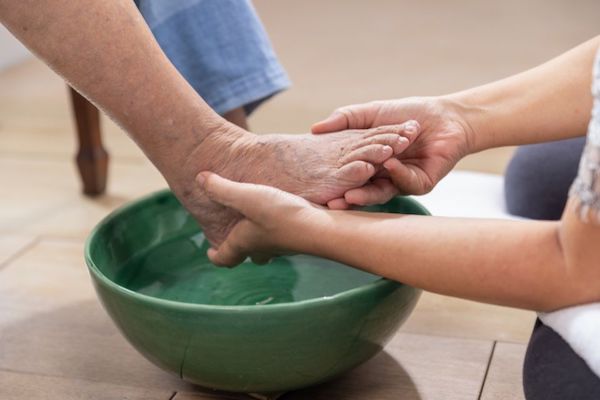
Prevention and Long-Term Management
Preventing Morton’s neuroma recurrence involves addressing the underlying factors that contributed to its development. Our team provides comprehensive guidance on long-term foot health management.
Prevention strategies include:
- Choosing appropriate footwear with adequate toe room
- Using supportive insoles or custom orthotics
- Maintaining healthy foot biomechanics
- Managing activities that place excessive stress on the forefoot
- Regular foot care and monitoring
We’ll work with you to develop a personalised prevention plan that fits your lifestyle and activity goals.
Why Choose Coastal Podiatry for
Morton's Neuroma Treatment
Our experienced team at Coastal Podiatry Foot & Ankle Clinic provides comprehensive care for Morton’s neuroma using the latest treatment techniques and technologies.
Our advantages include:
- Specialised training in foot and ankle conditions
- Advanced treatment options, including MLS Laser Therapy and Neural Prolotherapy
- Comprehensive approach addressing both symptoms and underlying causes
- Custom orthotics designed specifically for your foot type
- Home visit podiatry services for your convenience
- Ongoing support and follow-up care
We understand that foot pain can significantly impact your quality of life, and we’re committed to helping you return to comfortable, active living.
Book Your Morton's Neuroma Assessment
Don’t let foot pain limit your daily activities. If you’re experiencing persistent pain in the ball of your foot, burning sensations between your toes, or the feeling of stepping on a pebble, contact our experienced team for a comprehensive assessment.
Early intervention often leads to better outcomes and can prevent the condition from worsening. Our podiatrists will work with you to develop an effective treatment plan tailored to your specific needs and lifestyle.
Contact us today:
- Phone: (07) 5492 2944
- Address: Unit 1/68 Jessica Blvd, Minyama QLD 4575
We offer both clinic appointments and home visit podiatry services to accommodate your needs.
Frequently Asked Questions About Morton's Neuroma Treatment
Morton’s neuroma is a thickening of tissue around the nerves leading to your toes, most commonly between the third and fourth toes. It develops when repeated pressure or irritation causes the nerve tissue to become inflamed and thickened. High heels, tight shoes, certain foot shapes, and repetitive activities can contribute to its development.
Treatment response varies depending on the severity of your condition and the treatment approach used. Conservative treatments like footwear changes and orthotics may provide relief within a few weeks. Advanced treatments such as MLS Laser Therapy or Neural Prolotherapy often show improvement within several sessions, though individual responses vary.
With appropriate treatment and prevention strategies, many people experience long-term relief from Morton’s neuroma. However, if underlying factors such as poor footwear choices or foot biomechanics aren’t addressed, symptoms may recur. We provide comprehensive guidance on prevention strategies to minimise this risk.
During your initial consultation, we’ll conduct a thorough examination of your foot, review your medical history, and discuss your symptoms in detail. We’ll assess your foot structure, test for nerve sensitivity, and may perform specific diagnostic tests. Based on our findings, we’ll explain your condition and discuss appropriate treatment options.
High-impact activities that place excessive pressure on the ball of your foot may worsen symptoms. However, complete activity avoidance isn’t usually necessary. We’ll help you identify problematic activities and suggest modifications or alternatives that allow you to stay active whilst managing your condition effectively.
If conservative treatments such as footwear changes, orthotics, and activity modifications haven’t provided adequate relief after several weeks, advanced treatments may be beneficial. Persistent pain that interferes with daily activities or sleep often indicates the need for more targeted interventions like MLS Laser Therapy or Neural Prolotherapy.
Our Comprehensive Podiatry Services
Treatment Services:
- Foot Mobilisation Therapy
- Home Visit Podiatry
- MLS Laser Therapy
- Neural Prolotherapy
- Custom Orthotics
- Shockwave Therapy
- Traditional Prolotherapy
- Nail Surgery
Conditions We Treat:
- Morton’s Neuroma
- Plantar Fasciitis
- Bunions
- Achilles Tendinitis
- Corns & Calluses
- Lower Back Pain
- Hip Pain
- Knee Pain

Latest From The Blog