
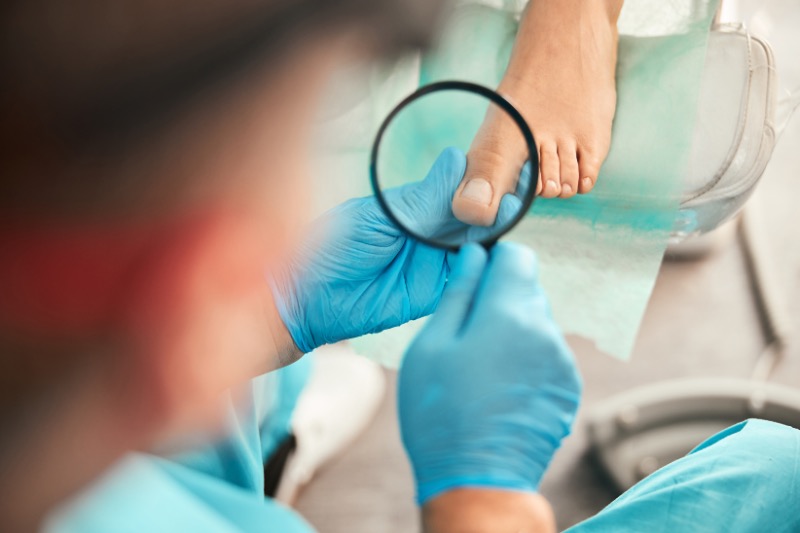
Heel pain is one of the most common foot problems treated by podiatrists. Because the heel absorbs the impact of walking, running, and standing, it is exposed to significant stress every day.
Many people experience heel pain at some stage in their lives. Sometimes the pain appears suddenly after increased activity, while in other cases it develops gradually over time.
Although heel pain is common, it should not be ignored. Persistent discomfort can affect mobility, exercise, and work. Understanding the possible causes is the first step toward effective treatment and long-term prevention.
Understanding Heel Pain
The heel bone, known medically as the calcaneus, is the largest bone in the foot. It plays a central role in absorbing shock and supporting body weight during movement.
Several important structures attach to or surround the heel, including:
• the plantar fascia
• the Achilles tendon
• small bursae that reduce friction
• nerves supplying the foot
• a specialised fat pad that cushions impact
Because so many structures are concentrated around the heel, pain can arise from several different conditions.
Identifying the exact structure involved is essential for effective treatment.
Why Heel Pain Is So Common
Every step places pressure on the heel. Walking, running, standing, and jumping all require the heel to absorb impact and transfer force through the foot.
Common daily activities that stress the heel include:
• prolonged standing
• walking long distances
• running or sporting activities
• working on hard surfaces
• exercise programs
When the tissues supporting the heel are exposed to repeated stress, irritation can occur.
Other factors can increase strain on the heel:
• tight calf muscles
• poor footwear
• sudden increases in activity
• weight changes
• altered walking mechanics
Even small changes in routine can sometimes trigger heel pain.
Why Accurate Diagnosis Matters
Many people assume heel pain is always plantar fasciitis. While this is the most common cause, several other conditions can produce similar symptoms.
Examples include:
• Achilles tendon problems
• heel fat pad syndrome
• bursitis
• nerve irritation
• stress injuries
Treating the wrong condition may delay recovery. For example, treatments suitable for plantar fasciitis may not help Achilles tendon irritation.
For this reason, professional assessment is important if symptoms persist.
Where Heel Pain Usually Occurs
The location of heel pain often helps identify the underlying condition.
Podiatrists commonly classify heel pain into three areas:
• under the heel
• behind the heel
• around the sides of the heel
Each area involves different structures and potential causes.
Pain Under the Heel
Pain underneath the heel is most commonly associated with plantar fasciitis.
Typical characteristics include:
• pain with the first steps in the morning
• pain after sitting or resting
• tenderness on the inside of the heel
• gradual onset rather than sudden injury
Another possible cause of pain under the heel is fat pad syndrome.
The heel fat pad acts like a natural shock absorber. Over time it can become irritated or thinner, leading to a deep bruised sensation in the centre of the heel.
This type of pain is often worse when standing on hard surfaces.
Pain Behind the Heel
Pain behind the heel is often related to the Achilles tendon.
The Achilles tendon connects the calf muscles to the heel bone and allows the foot to push off the ground when walking or running.
Symptoms may include:
• stiffness in the morning
• pain during activity
• swelling at the back of the heel
• tenderness when squeezing the tendon
Another possible cause is Haglund’s deformity, a bony prominence at the back of the heel that becomes irritated by footwear.
Pain on the Sides of the Heel
Pain on the sides of the heel can sometimes indicate nerve irritation.
Symptoms may include:
• tingling sensations
• burning pain
• numbness
• shooting pain along the foot
In other cases the pain may result from abnormal foot mechanics that place uneven pressure through the heel.
The Most Common Cause of Heel Pain – Plantar Fasciitis
Plantar fasciitis is the leading cause of heel pain seen by podiatrists.
The plantar fascia is a thick band of connective tissue running along the bottom of the foot from the heel to the toes. Its role is to support the arch and assist with shock absorption during walking.
When the fascia becomes overloaded, small tears can develop near its attachment at the heel bone. This irritation causes pain and inflammation.
According to the Mayo Clinic, plantar fasciitis is one of the most common causes of heel pain worldwide.
What Is the Plantar Fascia
The plantar fascia functions like a supportive ligament beneath the foot.
Its key roles include:
• supporting the arch of the foot
• stabilising the foot during movement
• absorbing impact during walking
Because it is involved in almost every step we take, repeated stress can irritate the tissue.
Why Plantar Fasciitis Develops
Plantar fasciitis usually develops gradually rather than from a single injury.
Contributing factors often include:
• tight calf muscles
• sudden increases in activity
• long periods standing
• unsupportive footwear
• running on hard surfaces
Repeated stress causes micro-tears in the fascia near the heel.
Over time this leads to inflammation and pain.
Typical Symptoms
Typical plantar fasciitis symptoms include:
• sharp heel pain with the first steps in the morning
• pain after sitting or resting
• tenderness under the heel
• discomfort after long periods of standing
Pain often improves slightly with movement but may worsen again after prolonged activity.
Other Conditions That Can Cause Heel Pain
While plantar fasciitis is common, several other conditions may cause heel pain.
Correct diagnosis is important because treatment differs for each condition.
Heel Spurs
Heel spurs are calcium deposits that form on the underside of the heel bone.
They are often seen on X-rays, but they do not always cause symptoms. Many people have heel spurs without experiencing pain.
According to the Cleveland Clinic, heel spurs often develop due to long-term strain on the plantar fascia.
Achilles Tendonitis
Achilles tendonitis affects the tendon that connects the calf muscles to the heel.
Common symptoms include:
• stiffness in the morning
• pain after exercise
• tenderness at the back of the heel
• swelling near the tendon
This condition often develops when training intensity increases too quickly.
Fat Pad Syndrome
The heel contains a specialised fat pad designed to cushion impact.
Over time the pad can become thinner or irritated.
Symptoms may include:
• deep aching pain in the centre of the heel
• discomfort when standing on hard surfaces
• pain when walking barefoot
Cushioning and supportive footwear often help reduce symptoms.
Bursitis or Nerve Irritation
Inflammation of small bursae around the heel can cause localised pain.
Nerve irritation may also produce symptoms such as:
• tingling
• burning pain
• numbness
If nerve symptoms occur, professional assessment is recommended.
Risk Factors That Increase the Chance of Heel Pain
Certain factors increase the likelihood of developing heel pain.
These include:
• flat feet or high arches
• tight calf muscles
• sudden increases in activity
• prolonged standing
• poor footwear
• ageing tissues
• increased body weight
Often several of these factors occur together.
Addressing these contributing factors helps prevent recurrence.
Common Symptoms Associated with Heel Pain
Heel pain symptoms can vary depending on the underlying condition.
Common complaints include:
• sharp pain under the heel
• pain with the first steps in the morning
• tenderness when pressing the heel
• swelling around the heel
• discomfort after walking or exercise
Some people also notice stiffness in the foot or ankle.
If symptoms persist for several weeks, professional assessment is recommended.
How a Podiatrist Diagnoses Heel Pain
Diagnosis usually involves several steps.
Medical History and Symptom Review
The podiatrist will ask questions about:
• when the pain began
• activities that worsen symptoms
• exercise routines
• footwear habits
• work conditions
These details help narrow down the likely cause.
Physical Examination
During examination the podiatrist may assess:
• foot posture
• joint movement
• calf muscle flexibility
• areas of tenderness
• walking pattern
This assessment helps determine which structure is involved.
Imaging When Needed
In some cases imaging may be recommended.
Possible tests include:
• X-rays
• ultrasound scans
• MRI imaging
These help confirm diagnosis or rule out other conditions.
Treatment Options for Heel Pain
Most cases of heel pain improve with conservative treatment.
Treatment plans usually combine several approaches.
Rest and Activity Modification
Reducing activities that aggravate the heel allows irritated tissues to recover.
Examples include:
• reducing running distance
• limiting prolonged standing
• switching to low-impact exercise
Stretching and Strengthening
Stretching and strengthening exercises can help restore normal movement.
Common exercises target:
• calf muscles
• plantar fascia
• intrinsic foot muscles
Footwear Changes
Supportive footwear can significantly reduce heel strain.
Podiatrists often recommend shoes that provide:
• good cushioning
• arch support
• shock absorption
Orthotics and Insoles
Orthotics help redistribute pressure through the foot.
Options may include:
• prefabricated insoles
• custom orthotics
• heel cushioning pads
Pain Relief Strategies
Additional treatments may include:
• taping techniques
• ice therapy
• anti-inflammatory strategies
• shockwave therapy
Research published on PubMed shows shockwave therapy may benefit persistent plantar fasciitis cases.
How Long Heel Pain Takes to Recover
Recovery time varies depending on severity and treatment.
For many people:
• mild cases improve within several weeks
• moderate cases may take several months
• chronic cases may require longer rehabilitation
Following the recommended treatment plan improves recovery outcomes.
Exercises That May Help Heel Pain
Certain exercises are commonly recommended.
These may include:
• calf stretches
• plantar fascia stretches
• foot strengthening exercises
Exercises should ideally be guided by a podiatrist to ensure they match the diagnosis.
Preventing Heel Pain in the Future
Several strategies can help prevent heel pain.
These include:
• wearing supportive footwear
• gradually increasing exercise intensity
• maintaining calf flexibility
• strengthening foot muscles
• replacing worn shoes
Small lifestyle changes can significantly reduce heel strain.
What Happens If Heel Pain Is Left Untreated
Many people try to ignore heel pain and continue their usual activities, hoping it will resolve on its own. While mild discomfort sometimes settles with rest, persistent heel pain can gradually worsen if the underlying cause is not addressed.
When the tissues around the heel remain irritated for long periods, the body may struggle to repair the damage. Small tears in structures such as the plantar fascia or Achilles tendon can continue to accumulate. Over time this can lead to chronic pain that becomes more difficult to treat.
One of the most common consequences of untreated heel pain is a change in walking pattern. When the heel hurts, people naturally try to avoid placing weight on it. This can cause them to walk differently, which may place extra stress on other parts of the body.
Compensation patterns caused by heel pain can sometimes lead to additional problems, including:
• pain in the arch of the foot
• ankle stiffness
• knee discomfort
• hip pain
• lower back strain
Another potential issue is reduced activity levels. When walking or exercise becomes painful, many people begin to avoid physical activity altogether. Over time this can affect overall fitness, mobility, and general health.
In some cases, untreated plantar fasciitis can progress into a more persistent condition called plantar fasciopathy, where the tissue becomes chronically irritated. At this stage recovery may take longer and require a more structured rehabilitation approach.
It is also possible for long-term strain to contribute to the development of heel spurs. While heel spurs themselves are not always painful, they are often associated with prolonged stress on the plantar fascia.
Seeking treatment early often prevents these complications. A podiatrist can identify the cause of the pain and recommend simple changes that reduce strain on the heel.
Early management may include:
• modifying activities temporarily
• improving footwear support
• starting targeted stretching exercises
• addressing biomechanical factors
By treating heel pain early, most people can recover more quickly and avoid long-term complications.
How Footwear Affects Heel Pain
Footwear plays a significant role in both the development and recovery of heel pain. Shoes influence how pressure is distributed across the foot and how effectively the heel absorbs impact during movement.
Unsupportive shoes can increase strain on the structures that attach to the heel. For example, very flat shoes with minimal cushioning may allow the plantar fascia to stretch excessively with each step. Over time this repeated strain can contribute to irritation and inflammation.
Similarly, worn-out running shoes may no longer provide adequate shock absorption. Even if the outside of the shoe looks fine, the internal cushioning can break down after several hundred kilometres of use.
Common footwear features that may contribute to heel pain include:
• very thin or flat soles
• lack of arch support
• minimal cushioning
• overly flexible midsoles
• worn-out running shoes
Footwear choices at home can also influence heel pain. Many people spend significant time walking barefoot on hard surfaces such as tiles or timber floors. Without cushioning, the heel absorbs more impact with each step.
For individuals experiencing heel pain, podiatrists often recommend footwear that provides a combination of cushioning, support, and stability.
Helpful shoe features may include:
• a supportive midsole
• moderate arch support
• good heel cushioning
• a slightly raised heel
• firm structure around the heel counter
Running shoes with good shock absorption are often a comfortable option during recovery.
In some cases, podiatrists may recommend insoles or orthotics to further improve support. These devices help redistribute pressure and reduce strain on sensitive structures such as the plantar fascia.
It is also important to consider activity-specific footwear. Shoes designed for running, walking, or standing work environments often provide different types of support. Wearing the correct shoe for each activity can reduce stress on the heel.
Replacing shoes regularly is another key factor. Many footwear manufacturers recommend replacing running shoes every 500–800 kilometres of use, depending on the shoe type and running style.
Making simple changes to footwear can often reduce heel pain significantly. For many people, combining supportive shoes with stretching exercises and activity modification provides noticeable improvement within several weeks.
When You Should See a Podiatrist for Heel Pain
You should consider seeing a podiatrist if:
• pain lasts longer than several weeks
• walking becomes difficult
• symptoms worsen over time
• swelling or numbness develops
Early treatment often leads to quicker recovery.
When Sunshine Coast Residents Should Seek Podiatry Care
People on the Sunshine Coast often have active lifestyles involving walking, running, beach activity, and standing occupations.
These activities can place extra stress on the heel.
If heel pain begins interfering with:
• work
• exercise
• daily mobility
it is advisable to seek professional podiatry care.
A podiatrist can assess your foot mechanics, activity levels, and footwear to identify the cause and develop an appropriate treatment plan.
Getting the Right Treatment for Heel Pain
Heel pain is common but highly treatable.
With accurate diagnosis and appropriate treatment most people recover well.
Effective management typically involves:
• identifying the cause
• improving footwear support
• performing targeted exercises
• modifying activities
If symptoms persist, consulting a podiatrist can help restore comfortable movement and prevent the problem returning.