
Are your feet causing you more pain and discomfort than they used to? You’re not alone. Bunions represent the most prevalent foot deformity affecting older adults, according to a 2021 NIH study. These conditions and structural foot deformities don’t just cause pain – they can seriously limit your mobility, independence, and overall quality of life.
The reality is that our feet change as we age. Years of wear and tear, poor footwear choices, and underlying health conditions all contribute to various foot problems. You might notice hallux valgus (bunions) developing as bony bumps beside your big toe, or experience the persistent discomfort of adult-acquired flat feet. For people living with diabetes, foot deformities become even more concerning, as conditions like Charcot foot can result in weakened bones, fractures, and joint collapse.
Here’s the good news: podiatric intervention and physical therapy can make a real difference in managing these conditions effectively.
This article covers everything you need to know about the most common foot deformities affecting older adults. You’ll learn what causes these foot and ankle problems, how podiatrists diagnose them, and the treatment options that can help you regain comfort and mobility. Whether you’re dealing with foot pain yourself or supporting someone who is, understanding these conditions gives you the knowledge to take the first step toward relief.
Common Foot Deformities in Older Adults
Your feet experience significant structural changes over the years. These changes often result in various deformities that can seriously affect your mobility and daily comfort. Recognising these common conditions helps you understand when it’s time to seek professional treatment or surgical correction.
Flat feet and fallen arches
What it looks like: Your foot arches sit lower than normal or have collapsed completely. This fallen arch condition affects approximately one in three Americans.
Years of supporting your body weight eventually take their toll, particularly in older adults, where arch collapse creates progressive stiffness. The impact of flat foot goes beyond just your feet – you’ll likely notice changes in how you walk, reduced flexibility in your ankles, and pain that can extend through your heels, arches, and even up into your legs.
Bunions and toe misalignment
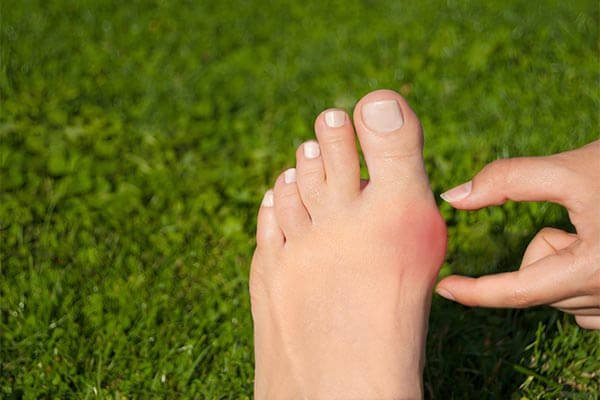
The numbers tell the story clearly: bunions (hallux valgus) affect approximately one-third of Americans over 65. You’ll recognise this condition by the distinctive bony bump that forms at the base of your big toe as it angles inward toward your other toes.
The progression matters. What starts as a minor bump can develop into persistent pain, make finding comfortable shoes nearly impossible, and eventually lead to secondary problems like hammertoes or metatarsalgia.
Hammer toes and claw toes
These toe deformities involve abnormal bending at the joints. Hammer toes bend at the middle joint, while claw toes curl downward at both the middle and end joints. Foot specialists report these among the most common issues they see in older patients.
The real concern? These hammer toe and claw toe conditions often become rigid over time, creating painful corns and calluses that make walking increasingly difficult.
Fat pad atrophy and heel pain
Your heels rely on natural fat padding for cushioning and shock absorption. With age, this protective layer thins out, and a condition called fat pad atrophy affects about 20% of people over 40.
Without adequate cushioning, you might experience deep, bruising pain in your heel through to your heel bone. This is particularly noticeable when walking barefoot on hard surfaces. Think of it as losing your foot’s built-in shock absorbers.
Morton’s neuroma and nerve irritation
This condition involves nerve tissue thickening between your toe bones, most commonly between the third and fourth toes. The sensation is distinctive – many people describe it as “walking on a marble” or experiencing burning pain in the front part of their foot.
Interesting fact: Women experience this condition eight times more frequently than men, with most cases occurring between ages 30 and 60.
Cracked heels and skin breakdown
Ageing skin naturally loses both elasticity and moisture, making cracked heels increasingly common in older adults. This condition can evolve from a simple cosmetic concern into a genuine mobility issue.
For people with diabetes or circulation problems, cracked heels present a more serious concern due to increased infection risk and potential complications.
What Causes These Foot Issues?
Foot deformities don’t just appear overnight. Multiple factors typically combine to create these troublesome conditions, and understanding the root causes helps you take preventive action.
Age-related wear and tear
Decades of supporting your body weight inevitably take their toll on your feet. Your skin becomes thinner and loses elasticity as you age. The protective fat padding that cushions your heels and metatarsal heads gradually diminishes, leaving you with less natural shock absorption. Meanwhile, tendons and ligaments weaken over time, potentially causing structural changes like flattening and lengthening of your feet.
Poorly fitting footwear
This might surprise you: research reveals that between 63% and 72% of people wear shoes that don’t properly fit either the width or length of their feet. Tight, narrow shoes force your toes into unnatural positions, directly contributing to bunions and hammertoes. High heels present their own set of problems by redistributing your body weight to the forefoot, significantly increasing pressure on the metatarsal heads.
Underlying health conditions like arthritis or diabetes
Certain medical conditions create serious complications for your feet. Diabetes can cause nerve damage (neuropathy) and poor blood circulation, making your feet vulnerable to ulcers and infections. The loss of sensation means you might not notice injuries until they’ve become serious problems.
Arthritis, particularly osteoarthritis, attacks joints through inflammation and cartilage breakdown, leading to both pain and progressive deformity. The connection between diabetes and arthritis is particularly concerning – more than half of people with type 2 diabetes also have osteoarthritis, compared to just over a quarter of those without diabetes.
Genetic predisposition
Your family history significantly influences your risk of developing foot deformities. Medical records show a positive family history in 24.4% of newly diagnosed foot conditions. Genetic factors play the strongest role in hallux valgus (bunions), with researchers identifying specific genes involved in foot development. Certain genetic syndromes – including Down syndrome, Marfan syndrome, and Ehlers-Danlos syndrome – are also associated with particular foot deformities.
How Podiatrists Diagnose Foot Deformities
Getting the right diagnosis is essential for effective treatment. Podiatrists use a combination of assessment techniques to pinpoint exactly what’s happening with your feet and determine the best course of action.
Physical examination and gait analysis
Your podiatrist starts with a detailed clinical examination, assessing foot structure, joint mobility, and pinpointing areas of pain. They’ll observe your feet from multiple angles and may ask you to perform simple movements like standing on your toes to evaluate foot mechanics. This hands-on assessment includes testing ankle strength and identifying where the pain originates.
Gait analysis takes this further by examining how you walk. This reveals valuable information about weight distribution across your feet with each step. Podiatrists measure specific parameters, including step length, step height, and walking speed, which typically ranges from 1.1 to 1.5 metres per second in healthy older adults. Balance testing forms another crucial component, measuring how long you can maintain a single-leg stance. Normal balance should allow you to hold this position for at least 5 seconds.
Foot pressure mapping
Modern pressure mapping technology provides real-time insights into how pressure distributes across your feet during movement. These sophisticated systems use thin, flexible sensors placed inside your shoes to capture data as you walk or run. The results help identify unusual pressure patterns that might be contributing to your foot problems.
This technology proves particularly valuable if you’re experiencing pain in your feet, ankles, shins, or knees. The visual data—including detailed heat maps showing pressure distribution—allows podiatrists to create treatment plans specifically tailored to address your pressure-related issues.
Imaging tests like X-rays or ultrasounds
Weight-bearing X-rays serve as the primary diagnostic tool, offering clear images of bone structure and joint alignment. A thorough assessment typically includes both anteroposterior (front-to-back) and lateral (side) X-ray views.
More complex cases may require advanced imaging. MRI scans provide excellent soft tissue evaluation, revealing tendon problems and bone changes. Ultrasound technology, while dependent on the operator’s skill, delivers similar accuracy to MRI for assessing tendon condition and soft tissue changes. CT scans offer detailed cross-sectional views, showing bone structure from multiple perspectives.
Treatment Options and Podiatry Support
The good news is that effective treatments exist for foot deformities. Podiatrists offer everything from conservative management to surgical solutions, and the right approach can restore your comfort and mobility.
Custom orthotics and shoe modifications
Think of custom orthotics as personalised support systems for your feet. These specially designed inserts do more than just provide cushioning – they actively align your foot structure, reduce pain, and help you stay active. For older adults, custom orthotics address specific challenges like decreased sensation and muscle weakness while significantly improving balance and reducing fall risk.
Shoe modifications work alongside orthotics to create the perfect fit for your changing feet. Simple adjustments can make walking comfortable again.
Stretching and strengthening exercises
Simple exercises can make a real difference to your foot health. You don’t need expensive equipment – just consistency. Toe stretches, ankle rotations, and towel pickups can all be done at home. For plantar fascia problems, try rolling your foot over a tennis ball or frozen water bottle.
Start slowly with any new exercise routine and listen to your body. These movements gradually build strength in the muscles and tendons that support your feet.
Pain relief and anti-inflammatory care
Immediate relief often starts with the RICE approach:
- Rest the affected foot
- Rest the affected foot
- Apply Ice to reduce inflammation
- Use Compression with bandages
- Elevate your foot to decrease swelling
Gentle foot massages improve circulation, while over-the-counter pain relief and topical gels can help manage discomfort. For persistent pain, corticosteroid injections may provide temporary relief from conditions like plantar fasciitis.
Surgical options for severe deformities
Surgery becomes an option when conservative treatments don’t provide adequate relief. Modern procedures include osteotomy (realigning bones), arthroplasty (joint reconstruction), and arthrodesis (joint fusion). Bunion surgery ranges from removing bony prominences to completely realigning the toe joint.
Minimally invasive techniques mean smaller incisions and faster recovery times than traditional methods. However, surgery remains the last option after trying non-surgical approaches first.
Ongoing foot care and monitoring
Regular podiatric check-ups form the backbone of long-term foot health. Most seniors should have their feet examined annually, with more frequent visits for those managing diabetes or existing foot conditions. These appointments assess skin health, nail condition, and circulation problems before they become serious.
Early intervention prevents small problems from becoming major complications.
Conclusion
Foot health deserves your attention, especially as you age. Bunions, hammertoes, flat feet, and other common deformities won’t simply disappear on their own – but they don’t have to control your life either.
Early recognition makes all the difference. When you understand what’s causing your foot problems and take action promptly, you set yourself up for better outcomes and sustained mobility. The causes we’ve explored – from genetics to footwear choices to health conditions like diabetes – give you the knowledge to make informed decisions about your foot care.
The treatment options available today are more effective than ever. Custom orthotics, targeted exercises, and proper footwear modifications can resolve many foot issues without surgery. For severe cases, modern surgical techniques offer excellent results with faster recovery times.
Your feet carry you through life – they deserve professional care. Don’t let foot deformities limit your independence or reduce your quality of life. Contact Coastal Podiatry today for professional podiatrist services and personalised advice tailored to your specific foot health needs.
Proactive care combined with expert podiatric guidance gives you the best chance of maintaining healthy, comfortable feet throughout your senior years. With the right treatment and ongoing management, you can continue enjoying an active lifestyle despite the foot challenges that naturally come with aging.
FAQs
What are the most common foot deformities in older adults?
The most common foot deformities in older adults include bunions, flat feet, hammertoes, claw toes, and Morton’s neuroma. These conditions can cause pain, difficulty walking, and impact overall mobility.
How do podiatrists diagnose foot deformities?
Podiatrists use various methods to diagnose foot deformities, including physical examinations, gait analysis, foot pressure mapping, and imaging tests such as X-rays, MRIs, or ultrasounds. These techniques help identify the specific nature and extent of foot issues.
What causes foot deformities in older adults?
Foot deformities in older adults can be caused by age-related wear and tear, poorly fitting footwear, underlying health conditions like arthritis or diabetes, and genetic predisposition. Often, a combination of these factors contributes to the development of foot issues.
What non-surgical treatments are available for foot deformities?
Non-surgical treatments for foot deformities include custom orthotics, shoe modifications, stretching and strengthening exercises, pain relief techniques, and anti-inflammatory care. These approaches can often provide significant relief and improved function without surgery.
When should an older adult see a podiatrist for foot problems?
Older adults should see a podiatrist at least once a year for routine check-ups, or more frequently if they have diabetes or existing foot problems. It’s important to seek professional help if you experience persistent foot pain, changes in foot shape, or difficulty walking.