
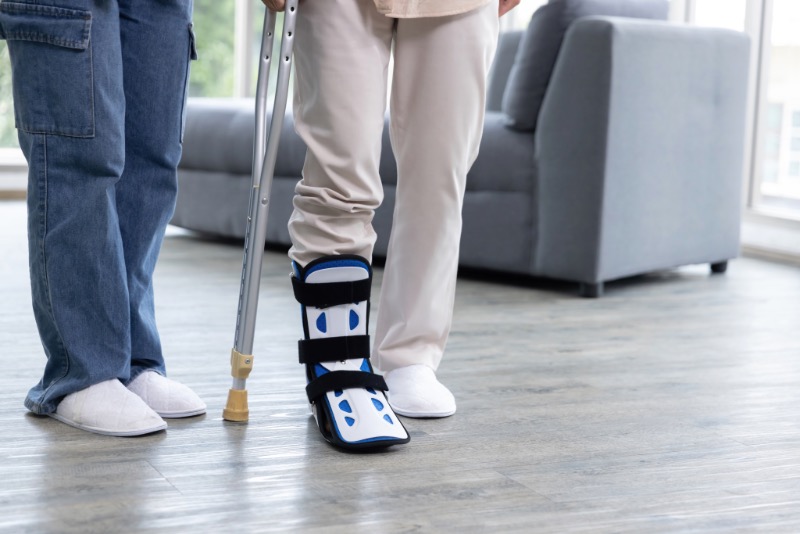
Walking boots, often referred to as moon boots, are a common treatment tool used to protect and stabilise foot and ankle injuries. They are designed to limit movement while still allowing a degree of mobility, making them a practical alternative to full casts in many situations. Patients are frequently prescribed a walking boot after fractures, sprains, or surgery to support healing and reduce further damage.
One of the most common questions patients ask is how long they need to wear the boot. The answer is not always straightforward, as recovery timelines vary depending on the type of injury, its severity, and individual healing factors. While some people may only need a boot for a couple of weeks, others may require several months of support.
Understanding the purpose of the walking boot and following professional guidance from a podiatrist is essential. Wearing it for too long or removing it too early can both delay recovery and lead to complications.
What Is a Walking Boot?
A walking boot is a removable orthopaedic device designed to immobilise and protect the foot and ankle. Unlike a traditional plaster cast, which is rigid and non-removable, a walking boot offers adjustable support while allowing for some controlled movement. This makes it more practical for daily activities, hygiene, and monitoring of the injury.
The boot typically consists of a rigid outer shell, a cushioned inner lining, and adjustable straps that secure the foot in place. Many designs include inflatable air cells that can be adjusted to improve comfort and stabilisation. The sole is often curved to promote a more natural walking motion, even while the foot is immobilised.
Walking boots differ from braces in that they provide a higher level of support and restriction. While braces allow more flexibility and are often used later in recovery, walking boots are typically used during the early to mid-stages when protection is critical. They can be prescribed for non-weight-bearing, partial weight-bearing, or full weight-bearing use depending on the injury.
Common Injuries That Require a Walking Boot
Fractures
Walking boots are commonly used for certain types of fractures, particularly those that are stable and do not require surgical fixation. These include stress fractures, metatarsal fractures, and some ankle fractures. The goal is to immobilise the affected area while still allowing safe movement.
Stress fractures, which are small cracks in the bone caused by repetitive stress, often benefit from reduced loading through the use of a boot. Metatarsal fractures, especially in the midfoot, also respond well to this type of support. Stable ankle fractures may be managed conservatively with a boot instead of a cast, depending on their alignment and severity.
Immobilisation is important in these cases because it prevents further displacement of the bone and allows the natural healing process to occur without interruption.
Soft Tissue Injuries
Severe sprains, ligament injuries, and tendon problems may also require a walking boot. For example, a high ankle sprain or significant ligament tear can cause instability that needs to be controlled during the early healing phase.
Tendon injuries, such as those involving the Achilles tendon or posterior tibial tendon, may also require immobilisation to reduce strain and allow tissue repair. In these cases, the boot helps limit excessive movement that could worsen the injury.
The purpose of using a boot for soft tissue injuries is to protect the damaged structures while inflammation settles and healing begins. Without adequate support, these injuries can become chronic or lead to long-term instability.
Post-Surgical Recovery
After foot or ankle surgery, walking boots are frequently used to protect the surgical site and support recovery. Procedures such as bunion correction, ligament repair, or fracture fixation often require a period of immobilisation.
The boot helps maintain proper alignment and reduces stress on healing tissues. It also allows controlled progression from non-weight-bearing to partial and eventually full weight-bearing as recovery progresses.
In post-surgical cases, the duration of boot use is carefully planned by the treating surgeon or podiatrist to ensure optimal healing and avoid complications.
How Long Should You Wear a Walking Boot?
The length of time you need to wear a walking boot typically ranges from 2 to 8 weeks. However, this is a general guideline and can vary significantly depending on the specific injury and individual circumstances.
Mild injuries, such as minor sprains or low-grade stress fractures, may only require a boot for a short period. In contrast, more serious fractures or post-surgical recovery often require longer immobilisation, sometimes extending beyond 8 weeks.
It is important to understand that healing does not follow a fixed timeline. Two patients with similar injuries may recover at different rates due to factors such as age, health, and activity levels. This is why regular review by a healthcare professional is essential.
Decisions about when to stop wearing the boot should always be based on clinical assessment rather than guesswork. Imaging, physical examination, and symptom improvement all play a role in determining the appropriate duration.
Factors That Affect Recovery Time
Type and Severity of Injury
The nature of the injury is one of the most significant factors influencing recovery time. Simple, stable injuries generally heal faster, while complex or severe injuries require longer periods of immobilisation.
For example, a minor ligament sprain may improve within a few weeks, whereas a fracture involving multiple bones or joints may take much longer to stabilise and heal. The extent of tissue damage also affects how long protection is needed.
Age and Overall Health
Healing capacity varies between individuals. Younger patients typically heal faster due to better circulation and tissue regeneration. In contrast, older adults may experience slower recovery.
Underlying health conditions such as diabetes, osteoporosis, or poor circulation can also delay healing. Lifestyle factors such as smoking or poor nutrition may further impact recovery time.
Activity Level and Compliance
Following medical advice plays a crucial role in recovery. Patients who consistently wear the boot as instructed and avoid excessive activity are more likely to heal efficiently.
On the other hand, removing the boot too often or returning to activity too soon can delay healing or worsen the injury. Compliance with weight-bearing instructions is particularly important.
Weight-Bearing Status
Whether you are allowed to put weight on the injured foot significantly affects recovery. Non-weight-bearing protocols, often requiring crutches, are typically used in more severe injuries.
As healing progresses, patients may transition to partial weight-bearing and eventually full weight-bearing. Each stage is carefully monitored to ensure the injury is not overloaded too soon.
Signs You May Need to Wear It Longer
There are several indicators that suggest a longer period in the walking boot may be necessary. Persistent pain or swelling is one of the most common signs that healing is not yet complete.
Difficulty bearing weight or a feeling of instability may also indicate that the injury requires more time to recover. In some cases, follow-up imaging may show delayed healing, particularly in fractures.
A podiatrist may recommend extending boot use after reassessment if progress is slower than expected. It is important not to ignore these signs, as premature removal can lead to setbacks.
Risks of Wearing a Walking Boot Too Long or Too Short
Wearing It Too Long
While walking boots are helpful, prolonged use can have drawbacks. Extended immobilisation can lead to muscle weakness, particularly in the calf and foot muscles. Joint stiffness may also develop, making it harder to regain normal movement.
Additionally, wearing a boot for too long can alter your walking pattern, potentially causing discomfort in other areas such as the hips or lower back.
Removing It Too Early
Taking the boot off too soon carries its own risks. The injured structures may not be fully healed, increasing the chance of re-injury. This can lead to chronic pain, instability, or prolonged recovery.
In some cases, incomplete healing may result in long-term complications that require further treatment. This is why a balanced, guided approach is essential.
Can You Walk Normally in a Walking Boot?
Walking in a boot is different from normal walking. The design of the boot changes your gait, often making it feel more rigid or uneven. Some boots have a rocker sole to help simulate a natural stride, but it is still an adjustment.
Patients may need crutches, especially in the early stages or if they are advised to avoid putting weight on the foot. Balance can also be affected, particularly because the boot adds height to one leg, creating a limb length difference.
Proper fit and correct use are essential to minimise discomfort and reduce the risk of falls or secondary injuries.
When Can You Stop Wearing the Boot?
Gradual Transition
Stopping the use of a walking boot is usually a gradual process rather than an abrupt change. Patients are often advised to transition into supportive footwear, such as structured running shoes, before returning to normal shoes.
This allows the foot and ankle to adapt slowly to increased movement and load.
Rehabilitation Phase
Once the boot is no longer needed, rehabilitation becomes a key focus. Strengthening exercises help rebuild muscle, while mobility exercises restore joint movement.
Balance and proprioception training are also important to prevent future injuries. A structured rehabilitation plan ensures a safe and effective return to activity.
Role of Podiatry-Guided Rehab Plans
A podiatrist can guide the transition process and tailor exercises to your specific condition. This helps address any lingering weakness or instability and reduces the risk of recurrence.
Do You Need Physiotherapy or Podiatry After a Boot?
Rehabilitation is often necessary after wearing a walking boot. Immobilisation can lead to reduced strength, flexibility, and coordination, all of which need to be restored.
Podiatry or physiotherapy can provide targeted treatment to address these issues. This may include manual therapy, exercise programs, and advice on footwear or orthotics.
In some cases, custom orthotics may be recommended to support the foot and improve biomechanics, particularly if the injury was related to underlying structural issues.
Tips for Wearing a Walking Boot Safely
Wearing a walking boot correctly can make a significant difference in recovery. A few key considerations can help ensure both comfort and effectiveness:
- Ensure the boot is properly fitted and securely fastened
- Follow weight-bearing instructions carefully
- Use crutches or other aids if recommended
- Check your skin regularly for signs of irritation or pressure
- Avoid getting the boot wet unless it is designed to be waterproof
Taking these precautions helps prevent complications and supports the healing process.
When Should You See a Podiatrist?
You should seek professional advice if your symptoms are not improving as expected. Persistent pain, swelling, or difficulty walking are all signs that further assessment may be needed.
Other warning signs include redness, numbness, or unusual discomfort while wearing the boot. These may indicate complications such as pressure issues or improper fit.
If you are unsure how long to continue wearing the boot or how to transition out of it, a podiatrist can provide clear guidance based on your individual situation.
When Should Sunshine Coast Patients See a Podiatrist?
Patients on the Sunshine Coast should consider seeing a podiatrist as soon as a foot or ankle injury occurs, especially if there is significant pain, swelling, or difficulty walking. Early assessment helps ensure an accurate diagnosis and appropriate treatment plan, which can shorten recovery time and reduce the risk of complications.
A podiatry assessment typically involves a detailed history of the injury, physical examination, and, if necessary, referral for imaging such as X-rays or ultrasound. This allows the clinician to determine the severity of the injury and whether a walking boot is required.
Treatment options may include immobilisation with a boot, guided rehabilitation exercises, footwear advice, and ongoing monitoring of healing progress. Some patients may benefit from mobile podiatry services, which provide care in the comfort of their home, particularly if mobility is limited.
Accessing professional care early ensures that treatment is tailored to your needs and adjusted as you recover, rather than relying on guesswork.
Frequently Asked Questions
How many hours a day should I wear a walking boot?
In most cases, a walking boot should be worn throughout the day, especially during weight-bearing activities. Some patients may be advised to remove it at night or while resting, depending on the injury. It is important to follow your podiatrist’s instructions, as recommendations can vary based on your condition.
Can I sleep with a walking boot on?
Whether you should sleep in a walking boot depends on the severity of your injury. In some cases, keeping the foot immobilised overnight is important to protect healing structures. In other situations, it may be safe to remove it for comfort. Always confirm this with your healthcare provider.
What happens if I don’t wear my walking boot as instructed?
Not wearing the boot as prescribed can delay healing and increase the risk of complications. The injured tissues may be exposed to excessive movement or stress, which can worsen the condition. Consistency is key to achieving a good recovery outcome.
Can I drive while wearing a walking boot?
Driving with a walking boot can be unsafe, particularly if it affects your ability to control the pedals. If the injury involves your right foot, driving is generally not recommended. It is best to discuss this with your podiatrist and follow local regulations.
Will my foot be weak after wearing a walking boot?
It is common to experience some muscle weakness after a period of immobilisation. This is why rehabilitation exercises are important once the boot is removed. Strength and function usually return with appropriate guided recovery.
Do I need special shoes after a walking boot?
Supportive footwear is often recommended after transitioning out of a boot. Shoes with good cushioning and stability can help protect the foot during recovery. In some cases, orthotics may be prescribed to address underlying issues.
Conclusion
The length of time you should wear a walking boot depends on the type and severity of your injury, as well as your individual healing process. While most patients wear a boot for between 2 and 8 weeks, this can vary widely and should always be guided by a healthcare professional.
Wearing the boot for the right duration is essential. Removing it too early can lead to re-injury and delayed healing, while wearing it for too long may result in stiffness, weakness, and altered movement patterns. Striking the right balance is key to a smooth and complete recovery.
If you are unsure about your recovery progress or how long you should continue wearing your walking boot, seeking advice from a podiatrist can provide clarity and reassurance. A tailored treatment plan ensures you heal safely and return to your normal activities with confidence.