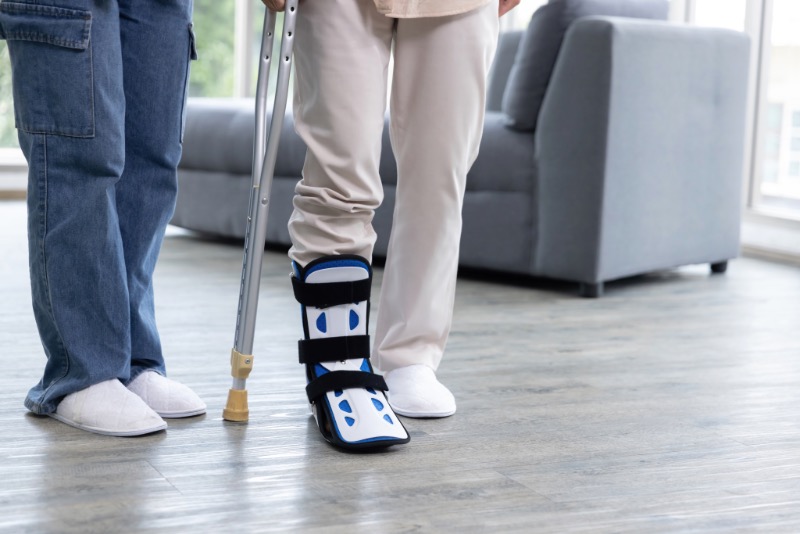
Walking boots are commonly used to protect injuries such as fractures, tendon damage, and severe sprains by limiting movement and reducing stress on the foot and ankle. They allow healing to occur in a controlled and supported environment while still permitting some level of mobility.
While they are effective for recovery, walking boots can cause side effects because they change how your body moves. Patients often notice stiffness, swelling, muscle weakness, or discomfort in other areas such as the hips, knees, or lower back due to altered walking patterns.
Most of these side effects are temporary and resolve once the boot is removed and normal movement returns. However, certain symptoms such as severe pain, numbness, or changes in skin colour should be assessed by a healthcare professional.
Understanding what is normal and what is not can help you feel more confident during recovery and reduce the risk of complications.
What a Walking Boot Is and Why It Is Prescribed
A walking boot, also known as a CAM boot, is designed to protect the foot and ankle after injury or surgery. It limits movement while allowing some controlled weight-bearing, which supports healing without completely immobilising the limb.
Compared to a plaster cast, a walking boot can be removed for hygiene, dressing changes, and medical review. This flexibility makes it a preferred option in many cases where full immobilisation is not required.
Walking boots are commonly prescribed for conditions such as:
- fractures and stress fractures
- severe ligament sprains
- tendon injuries
- post-surgical recovery
What a Walking Boot Does to Your Foot and Ankle
A walking boot stabilises the injured area by restricting motion in the ankle and foot. This reduces strain on damaged tissues and allows them to repair without repeated stress from normal walking.
At the same time, this reduced movement can lead to stiffness and reduced muscle activity. Over time, this is why some patients feel weaker or less stable when the boot is removed.
Common Myths About Walking Boots
A common misconception is that once you are in a boot, you can return to normal activity immediately. In reality, most patients still need to modify their movement and follow specific weight-bearing instructions.
Another myth is that the boot alone will fix the injury. The boot protects the area, but healing also depends on time, gradual loading, and sometimes rehabilitation exercises.
Common Conditions Treated With a Walking Boot
Walking boots are used for a wide range of injuries affecting bones, tendons, and ligaments. They are particularly useful when protection is needed but full casting is not necessary.
The aim is to reduce load and movement while still allowing some function. This helps patients maintain mobility without worsening the injury.
Common conditions treated include:
- fractures and stress fractures
- tendon injuries
- ligament sprains
- post-operative recovery
Fractures and Stress Fractures
Fractures require stability so that the bone can heal in the correct position. A walking boot reduces movement and absorbs impact, which helps protect the injured bone.
Stress fractures develop from repeated strain over time rather than a single injury, reducing load is essential for recovery.
Tendon and Ligament Injuries
Tendons and ligaments can become damaged through sudden injury or repetitive strain. A walking boot helps reduce movement, allowing these structures to rest and heal.
Conditions such as Achilles tendon injuries or severe ankle sprains often benefit from temporary immobilisation. This reduces the risk of further damage during the early healing phase.
Post-Operative Protection
After surgery, the foot or ankle often needs protection while tissues heal. A walking boot helps maintain proper alignment and prevents accidental strain on the surgical site.
It also allows gradual progression of weight-bearing as healing improves. This controlled approach helps reduce complications during recovery.
Overuse Conditions and Pain Syndromes
In some cases, walking boots are used for severe overuse injuries. These may include plantar fascia tears or significant tendon inflammation that has not improved with other treatments.
The Mayo Clinic plantar fasciitis guide explains how reducing strain supports healing. A short period in a boot can help calm symptoms before transitioning to rehabilitation.
Expected Side Effects vs Warning Signs
Wearing a walking boot often leads to temporary changes in how the foot and body feel. These side effects are usually part of the adjustment process and improve over time.
However, some symptoms may indicate a problem that needs medical attention. Knowing the difference helps patients respond appropriately.
Common temporary effects include:
- stiffness
- mild swelling
- muscle fatigue
- altered walking patterns
Normal Early Changes
During the first few days, walking in a boot can feel awkward and tiring. This is because your body is adapting to the added weight and restricted movement.
You may also notice stiffness or reduced flexibility in the ankle. These changes are expected and usually improve as you adjust.
Red Flags That Need Medical Attention
Certain symptoms should not be ignored. These may indicate complications such as circulation problems or a blood clot.
Warning signs include:
- severe or worsening swelling
- numbness or tingling
- changes in skin colour
- calf pain or tightness
The NHS guide to deep vein thrombosis highlights the importance of assessing these symptoms.
Common Side Effects in the Foot and Ankle
The most noticeable side effects occur in the injured foot itself. These changes are largely due to reduced movement and pressure from the boot.
While uncomfortable, most of these effects are temporary and manageable.
Skin Irritation, Blisters, and Pressure Points
Friction inside the boot can cause irritation or blisters, especially if the fit is not ideal. Sweat and prolonged wear can make this worse.
Wearing long socks and checking the skin regularly can reduce the risk. Adjusting padding may also help relieve pressure points.
Swelling and Stiffness
Immobilisation can slow circulation slightly, which may lead to swelling. Keeping the foot elevated when possible can help reduce this.
Stiffness is also common because the joints are not moving normally. Gentle movement, when allowed, can help maintain flexibility.
Pain Changes and “New Pains”
Patients sometimes notice new areas of discomfort while wearing a boot. This can happen because walking mechanics change and different tissues take on more load.
For example, pain may shift from the heel to the arch or from the ankle to the calf. These changes are usually temporary but should be monitored.
Effects on the Rest of the Body
Walking boots affect the entire body, not just the injured foot. The change in height and weight alters how you walk.
This can lead to discomfort in other areas, particularly if worn for extended periods.
Hip, Knee, and Lower Back Pain
The boot creates a slight leg-length difference, which can tilt the pelvis. This imbalance may cause strain in the hips, knees, or lower back.
Many patients notice mild discomfort in these areas after prolonged use. This usually improves once the boot is removed or adjusted.
Opposite Foot Overload
The uninjured foot often takes on more weight during walking. This can lead to fatigue or soreness, especially if activity levels remain high.
In some cases, patients develop pain in the opposite foot due to this increased load.
Muscle Weakness and Reduced Balance
Muscles in the immobilised foot are used less, which can lead to temporary weakness. Balance may also feel affected because ankle movement is restricted.
These changes are expected and improve with rehabilitation after the boot is removed.
Leg-Length Difference and Gait Changes
Walking boots change the natural length of the leg, which affects posture and movement. This can lead to uneven walking patterns and increased strain on joints.
Over time, this imbalance may contribute to discomfort if not managed.
How to Reduce the Leg-Length Mismatch
Using a shoe lift or even-up device on the opposite side can help balance leg length. Supportive footwear can also improve stability.
These adjustments can reduce strain on the hips and lower back.
Practical Walking Tips to Protect Your Back and Hips
Taking shorter steps and walking slowly can help maintain balance. Avoiding uneven surfaces and taking regular breaks can reduce strain.
Skin, Nerve, and Circulation Issues to Watch For
Walking boots can occasionally affect nerves and circulation if they are too tight or poorly fitted. Monitoring your foot daily helps detect issues early.
Numbness, Tingling, and Nerve Pressure
Pressure from the boot can irritate nerves, leading to tingling or numbness. Adjusting the fit can often relieve this.
Persistent symptoms should be assessed by a healthcare provider.
Poor Circulation Signs
Signs such as cold toes, colour changes, or excessive swelling may indicate circulation issues. These symptoms require prompt attention.
Blood Clot Risk and When to Escalate Care
Immobilisation slightly increases the risk of blood clots. Symptoms such as calf pain, swelling, or warmth should be assessed urgently.
Sleep, Comfort, and Day-to-Day Practical Problems
Wearing a walking boot can affect daily activities such as sleeping, showering, and working. These practical challenges are common but manageable.
Should You Sleep in a Walking Boot
Some injuries require the boot to be worn overnight to protect healing tissue. Others allow removal during sleep.
Always follow your clinician’s advice for your specific injury.
Showering and Skin Care
The boot should not get wet, so waterproof covers are often used. It is also important to check the skin daily for irritation.
Driving and Work Considerations
Driving may not be safe with a boot, especially on the right foot. Work tasks may need to be adjusted depending on mobility requirements.
How to Wear a Walking Boot Properly
Wearing the boot correctly is essential to reduce side effects and promote healing. Incorrect use can lead to discomfort or delayed recovery.
Sock Choice and Layering
Long socks help reduce friction and protect the skin. They also absorb sweat, improving comfort.
Straps, Padding, and Fit Checks
The boot should be snug but not overly tight. Regular fit checks help prevent pressure points and discomfort.
Weight-Bearing Rules and Crutch Use
Following weight-bearing instructions is critical. Using crutches when advised can prevent reinjury.
Managing Side Effects at Home
There are several ways to manage discomfort while wearing a walking boot. These strategies can improve comfort and support recovery.
Swelling Control
Elevating the foot and moving the toes gently can help reduce swelling. These simple steps support circulation.
Pain Management and Activity Pacing
Taking breaks and avoiding overuse can prevent flare-ups. Gradual activity helps avoid setbacks.
Simple Mobility and Strength Habits
Gentle exercises, when permitted, can help maintain muscle function. This reduces stiffness and improves recovery.
What Happens When the Boot Comes Off
Removing the boot is a key stage in recovery. The foot may feel weak or stiff after a period of immobilisation.
The Transition Phase
Patients usually return to normal footwear gradually. Activity levels are increased slowly to avoid reinjury.
Rehabilitation and Physiotherapy or Podiatry Support
Rehabilitation exercises help restore strength and mobility. Guidance from a podiatrist or physiotherapist can improve outcomes.
Prevention: How to Reduce Side Effects and Avoid Setbacks
Preventing side effects involves good habits during recovery. Small adjustments can make a significant difference.
Preventing Overuse of the Other Leg
Balancing activity levels can reduce strain on the uninjured foot. Rest and pacing are important.
Preventing Skin Problems
Regular skin checks and clean socks can reduce irritation. Proper fit also helps prevent issues.
Preventing Stiffness
Gentle movement, when allowed, can help maintain flexibility. Early guidance can prevent long-term stiffness.
When to See a Podiatrist While Wearing a Walking Boot
A podiatrist can help manage issues related to walking boots. Early assessment can prevent complications.
Persistent Pain, New Pain, or Worsening Symptoms
Ongoing or worsening pain should be assessed. This may indicate a problem with fit or loading.
Footwear, Orthotic, and Even-Up Advice
Podiatrists can recommend adjustments to improve comfort and reduce strain. These may include orthotics or shoe lifts.
Return-to-Walking and Return-to-Sport Planning
A structured plan helps patients return safely to normal activities. This reduces the risk of reinjury.
When Sunshine Coast Patients Should See a Podiatrist for Boot-Related Problems
Sunshine Coast patients often walk on sand, uneven surfaces, and spend time barefoot, which can make wearing a walking boot more challenging. These factors can increase strain on the body and lead to additional discomfort.
If you experience ongoing pain, skin irritation, or difficulty walking, a podiatrist can assess the situation and provide guidance. Early intervention can improve comfort and recovery.
What a Podiatry Assessment Typically Includes
A podiatry assessment involves examining the foot, checking boot fit, and assessing walking patterns. This helps identify contributing factors.
Treatment and Support Options Available Locally
Treatment may include footwear advice, orthotics, and rehabilitation exercises. These approaches aim to reduce side effects and support healing.
Mobile Podiatry and Practical Access Considerations
Mobile podiatry services can assist patients who have difficulty attending appointments. This can be particularly helpful during recovery.
Frequently Asked Questions
Can a walking boot cause back pain?
Yes, walking boots can create a leg-length difference that affects posture. This can lead to strain in the lower back, particularly if worn for long periods.
Can wearing a boot weaken muscles?
Yes, reduced movement can cause temporary muscle weakness. Strength usually returns with rehabilitation.
How long are walking boots typically worn?
The duration varies depending on the injury. Some patients wear them for a few weeks, while others may need longer protection.
Can I remove my walking boot during the day?
This depends on your treatment plan. Always follow your clinician’s instructions to avoid delaying recovery.
What should I do if my boot feels uncomfortable?
Adjusting the fit may help, but persistent discomfort should be assessed. A podiatrist can check for issues.
Can a walking boot cause circulation problems?
In rare cases, a tight or poorly fitted boot can affect circulation. Symptoms should be assessed promptly.